
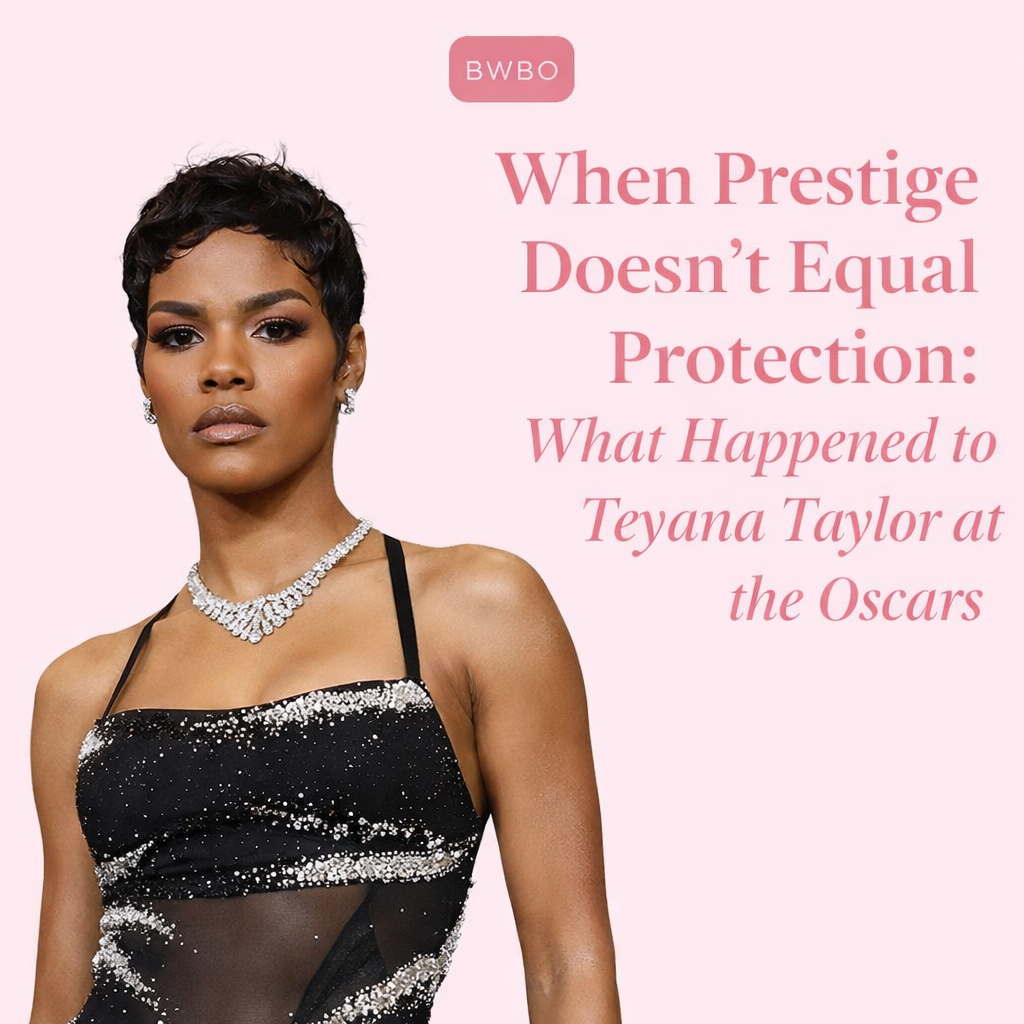
When Prestige Doesn’t Equal Protection: What Happened to Teyana Taylor at the Oscars
There are certain spaces we’re taught to believe are sacred. The Oscars is one of them—a place where art is honored, talent is celebrated, and the most powerful figures in entertainment gather under the illusion of prestige, decorum, and respect. But what happens when that illusion cracks in real time?
Recently, Teyana Taylor—an artist whose influence spans music, film, and culture—was reportedly shoved by a security officer at the Oscars. Let that sit for a moment. Not at a crowded nightclub. Not in a chaotic street setting. But at one of the most controlled, elite, and curated events in the world.
And still, it happened.

From Fame to Fortune: Black Women Who Turned Reality TV Into Real Business Power
Reality television has created a new kind of celebrity. Unlike traditional actors or musicians who spend years building their reputations, reality stars often find themselves thrust into the spotlight almost overnight. A single season of television can introduce them to millions of viewers, transform them into social media influencers, and give them instant name recognition. While that kind of attention can be fleeting, it can also be incredibly powerful when used strategically. For women in particular, reality television can serve as the launchpad for something much more meaningful than fame—it can become the foundation for financial independence and long-term business success.
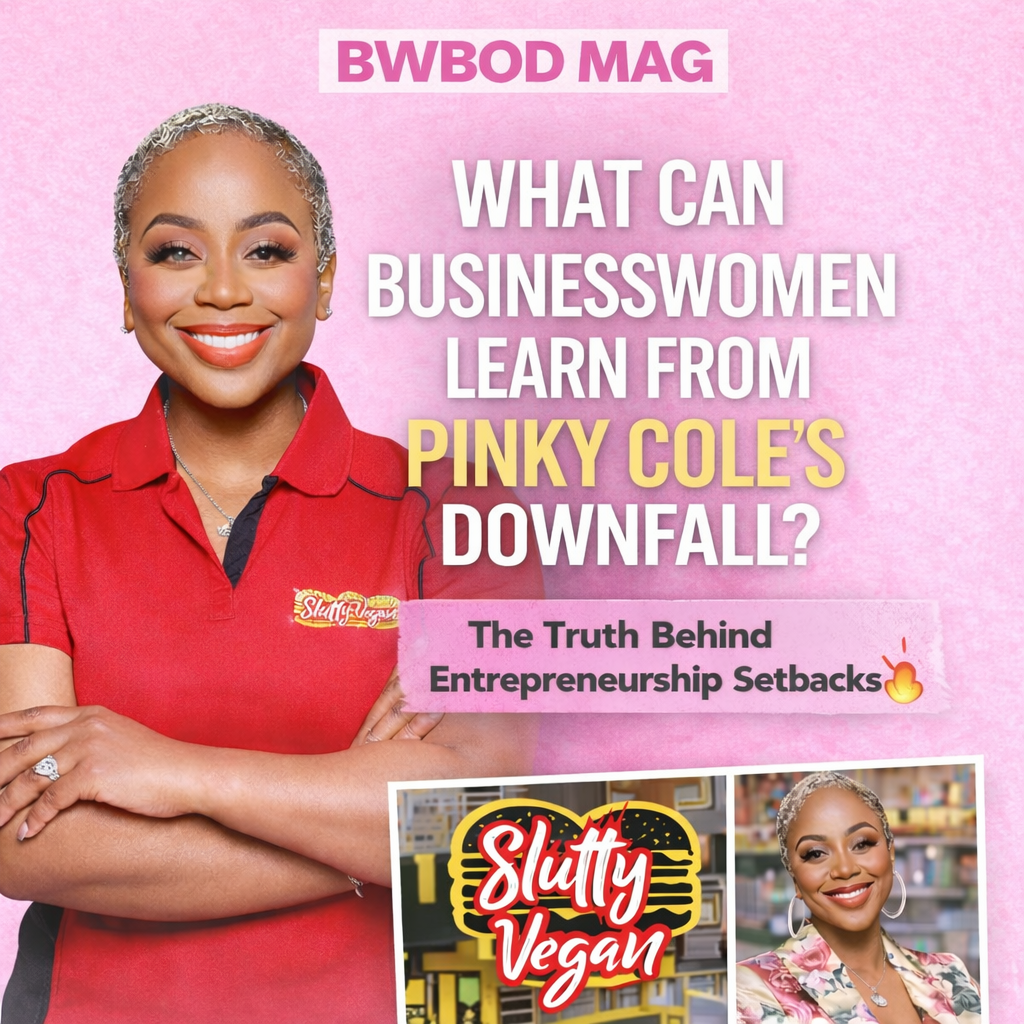
What Businesswomen Can Learn from Pinky Cole’s Downfall
For years, Pinky Cole Hayes stood as one of the most celebrated examples of modern Black female entrepreneurship. As the founder of Slutty Vegan, she built a brand that was bold, culturally relevant, and unapologetically different. Her vegan burger concept exploded in popularity almost overnight, drawing massive lines outside her restaurants and gaining the attention of celebrities, investors, and national media outlets. For many Black women in business, Pinky Cole represented possibility—proof that a woman with vision, personality, and determination could build a multimillion-dollar brand in an industry traditionally dominated by others.
However, rapid success often carries hidden risks. As reports emerged about financial challenges and structural issues surrounding the company, the conversation around Pinky Cole shifted from celebration to cautionary tale.
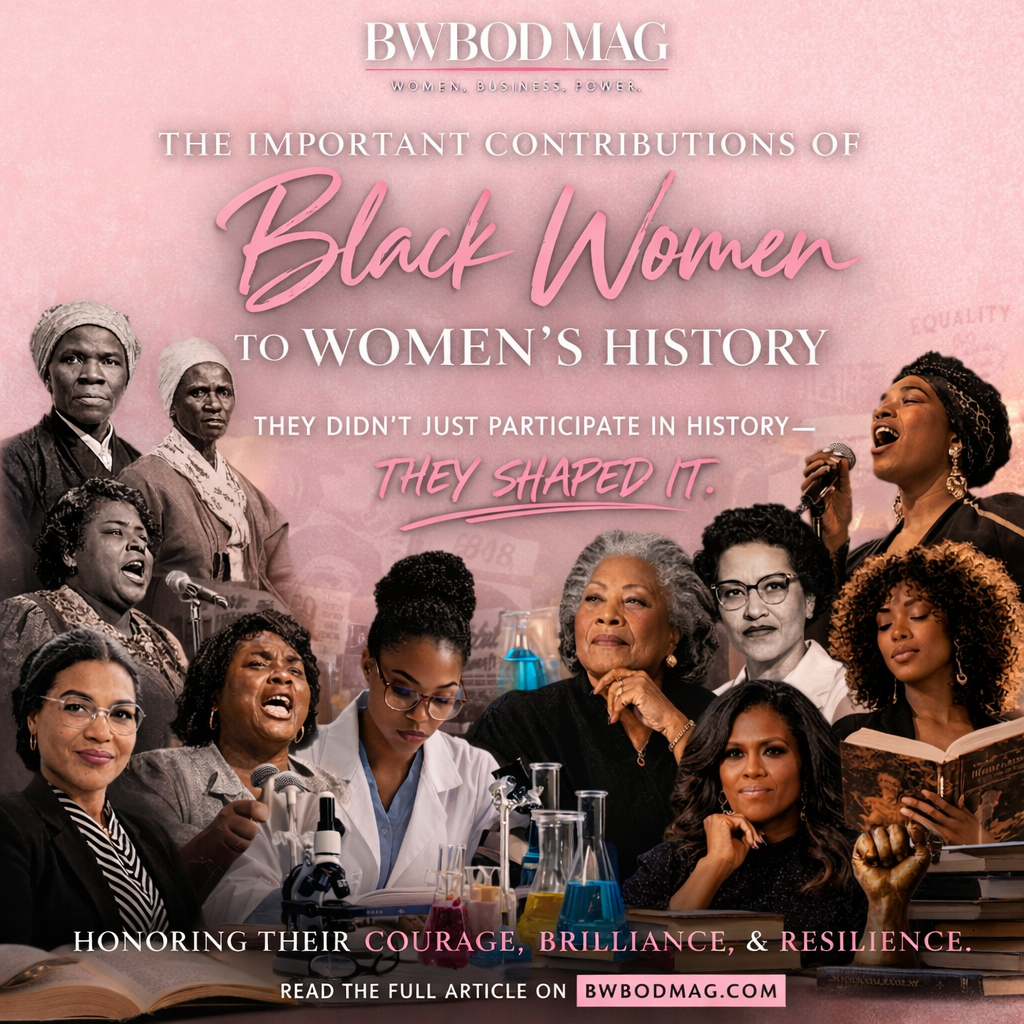
The Indelible Impact of Black Women on Women’s History
When we talk about Women’s History, it is impossible—truly impossible—to tell the story without centering the contributions of Black women. For generations, Black women have stood at the intersection of race and gender, often forced to fight battles on two fronts while still pushing society forward for everyone else.
From civil rights and education to business, politics, science, and culture, Black women have not only participated in history—they have reshaped it.

The Rules of Having a Work Husband
In today’s professional world, many women spend more waking hours with coworkers than they do with their own families. Deadlines, meetings, office drama, and long projects create a unique environment where strong friendships naturally develop. Out of that environment comes a modern workplace phenomenon that many women jokingly refer to as their “work husband.”
When Ratings Hurt the Brand: The Impact of Reality TV on Black Women in Business
Reality television has built empires. It has created influencers, millionaires, product lines, and household names. But it has also shaped narratives — and not all of those narratives have been helpful.
When it comes to Black women in business, reality TV has often blurred the line between entertainment and representation. And in many cases, the cost of ratings has been the reinforcement of stereotypes that ambitious Black women are still fighting to dismantle in corporate spaces, entrepreneurial ecosystems, and leadership rooms.
Entertainment may not be reality — but perception influences opportunity.

When Pregnancy Meets Ambition
Ambitious women are planners. They map out promotions, calculate investment timelines, set five-year goals, and visualize the version of themselves they are becoming. They strategize. They execute. They build.
Then sometimes life introduces a variable that cannot be placed neatly into a spreadsheet.
Pregnancy.
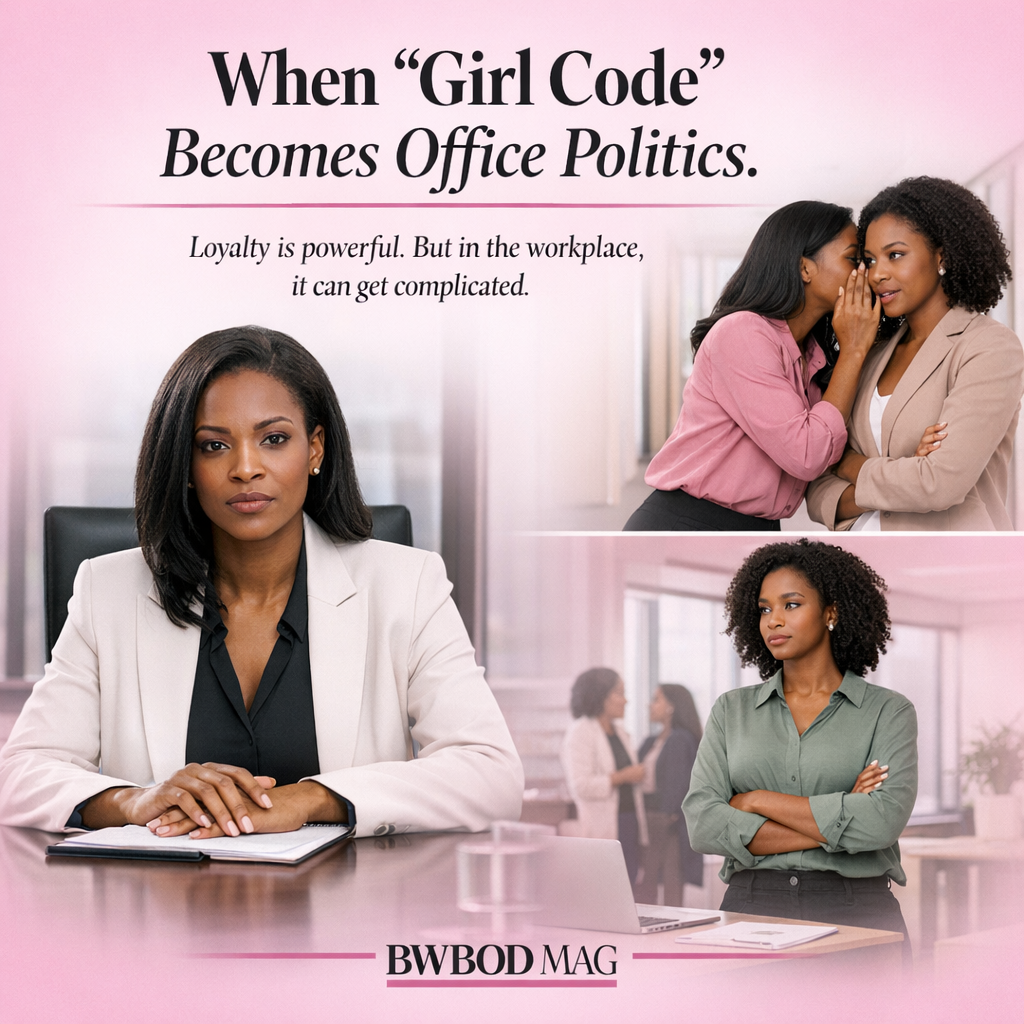
When “Girl Code” Becomes Office Politics
In friendships, “girl code” can feel sacred. It’s the unspoken agreement to protect one another, keep confidences, show loyalty, and stand united. In social settings, that kind of solidarity can be empowering. But in the workplace, especially in professional environments that demand accountability and transparency, “girl code” can quietly create dysfunction, resentment, and even legal risk.
Let’s talk about how.
1. Loyalty Over Professionalism
One of the biggest pillars of girl code is loyalty. You don’t snitch. You don’t embarrass your friend. You don’t side against her publicly. But in an office environment, loyalty to a colleague should never outweigh loyalty to ethics, company policy, or clients.
When employees cover for each other’s missed deadlines, inappropriate behavior, attendance issues, or performance problems, it doesn’t create safety — it creates liability. Managers lose clarity. Teams lose efficiency. And eventually, the truth surfaces in ways that are more damaging than if the issue had been addressed early and professionally.
Protecting a friend at work may feel supportive in the moment, but it can compromise the integrity of the entire team.

Why Office Romances End Badly
Office romances are more common than people admit. Adults spend a significant portion of their lives at work, building bonds through shared stress, ambition, and long hours. Attraction in that environment is natural. Familiarity grows quickly when you collaborate closely, solve problems together, and celebrate professional wins side by side. For some, workplace relationships turn into long-term partnerships. But for many others, they turn into professional disasters.
The issue isn’t love. The issue is risk.
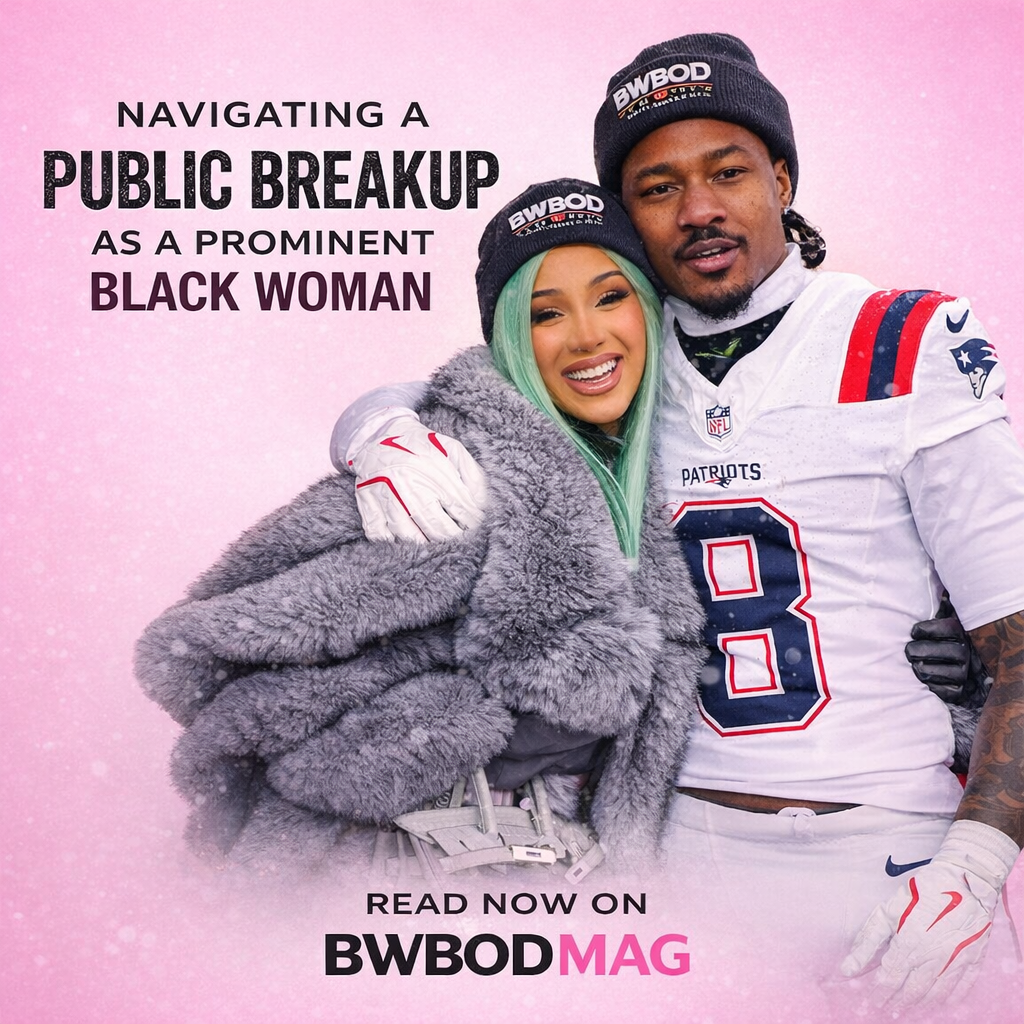
Navigating a Public Breakup as a Prominent Black Woman
When you’re a prominent Black woman—whether you’re an entertainer, entrepreneur, athlete’s wife, influencer, executive, or public intellectual—your relationships are never just personal. They’re politicized, monetized, meme-ified, and dissected in real time. A breakup doesn’t just break your heart. It becomes a trending topic.
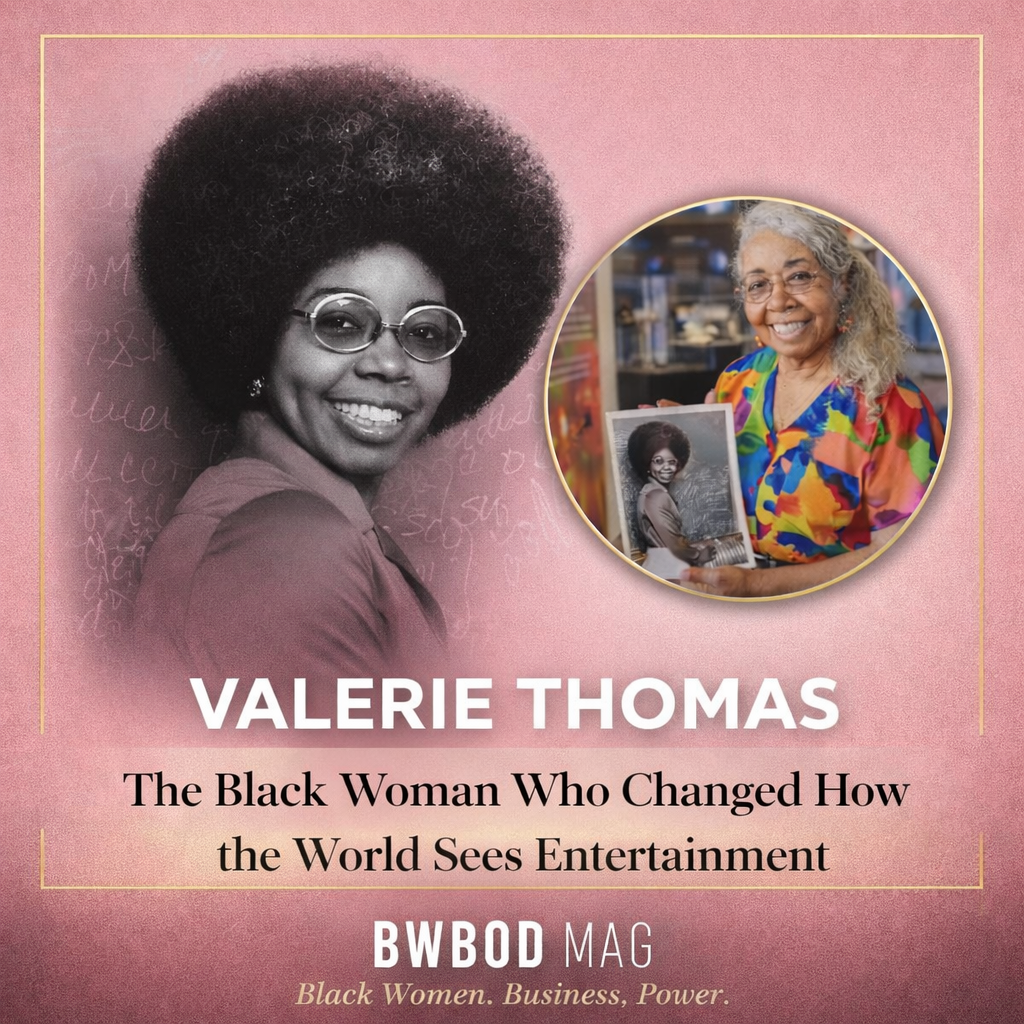
Valerie Thomas: The Black Woman Who Changed How the World Sees Entertainment
Long before 3D movies became a box-office standard and immersive visuals transformed entertainment, a Black woman working quietly at NASA redefined how humans experience images.
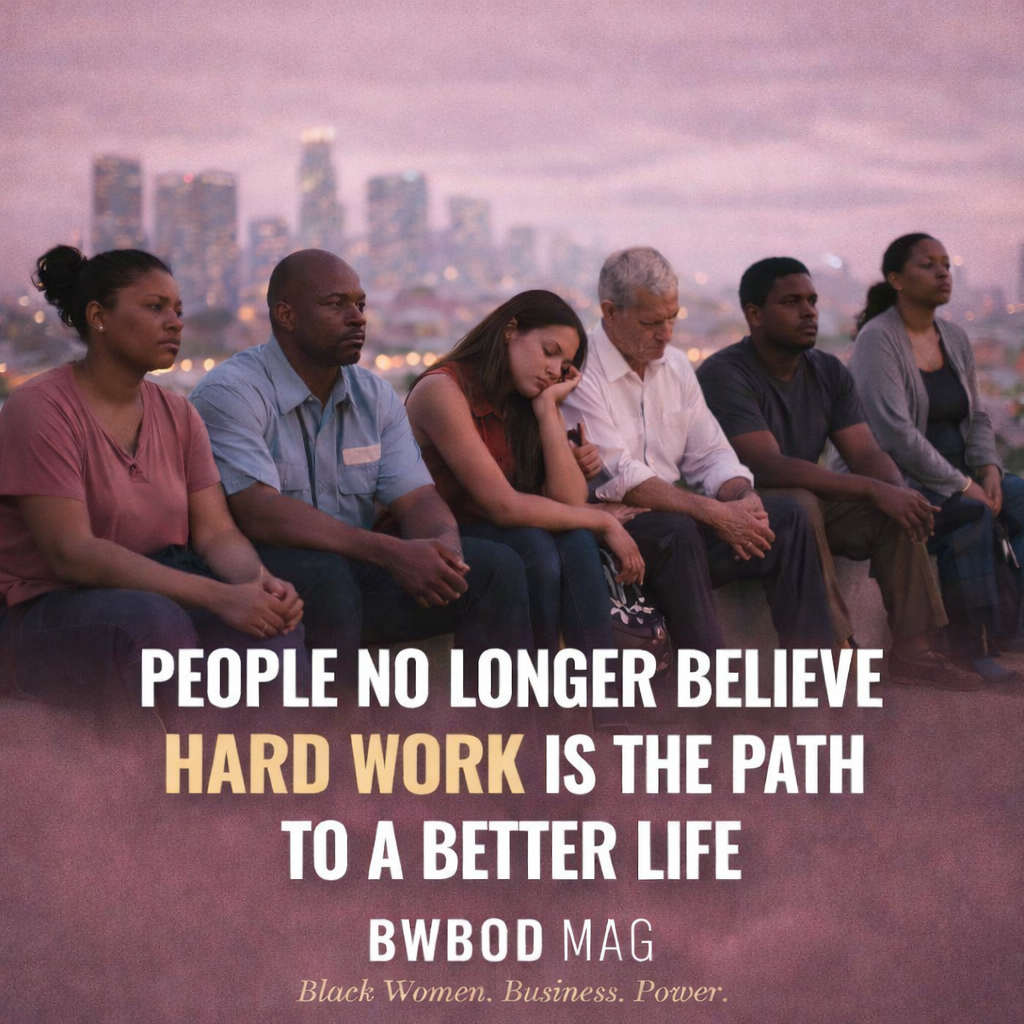
People No Longer Believe Hard Work is The Path to a Better Life
People Are Losing Faith That Hard Work Guarantees a Better Life — And There’s Data to Prove It
For decades, the idea that hard work is a straight path to a better life has been a cornerstone of popular belief — the kind of mantra parents whispered to children and career coaches pushed on graduates. But today, that belief is weakening in ways that reflect shifting economic realities and cultural attitudes
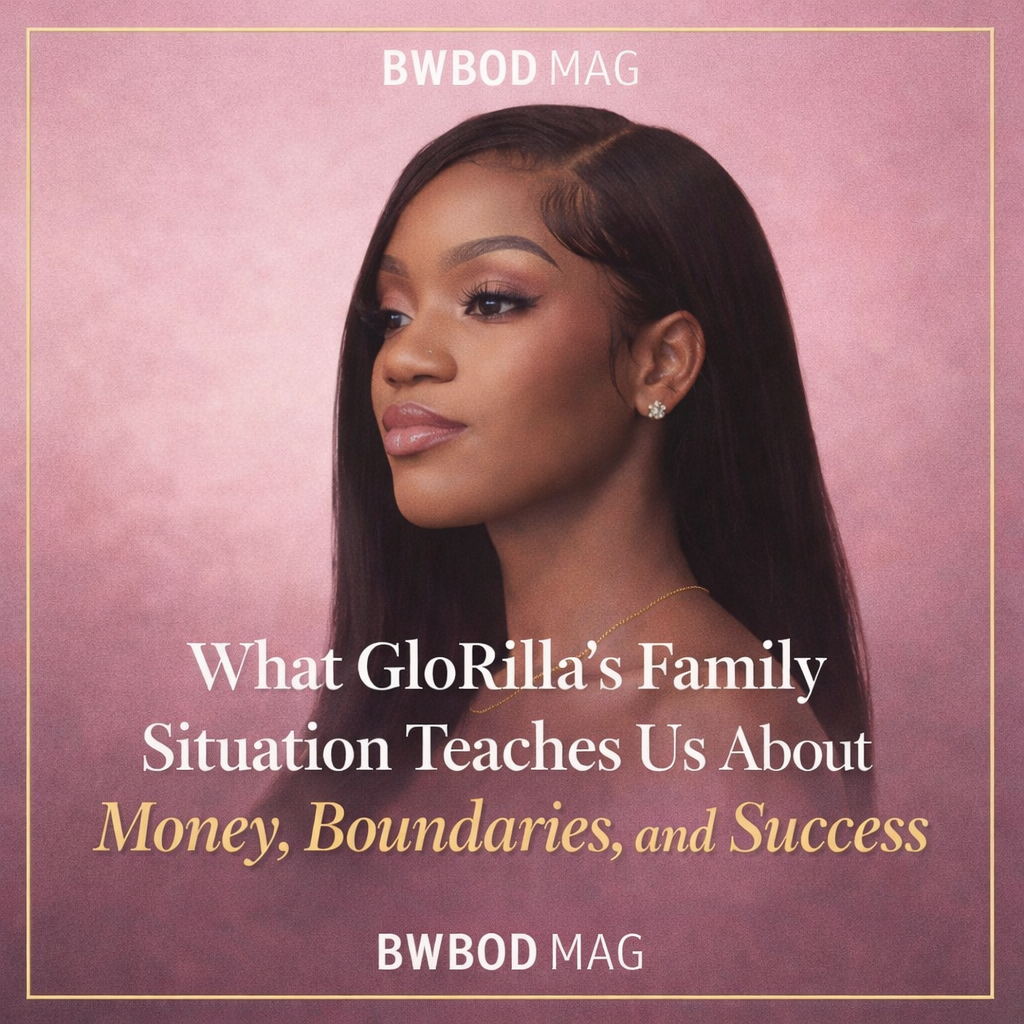
What GloRilla’s Family Situation Teaches Us About Money, Boundaries, and Success
The recent public conversation surrounding GloRilla and her family dynamics has sparked strong opinions across social media. But beyond the noise, hot takes, and emotional reactions lies a deeper conversation that many Black women in business quietly grapple with every day. This moment isn’t really about celebrity. It’s about the expectations we place on people once they “make it,” and the unspoken rules that often come with success in Black families.
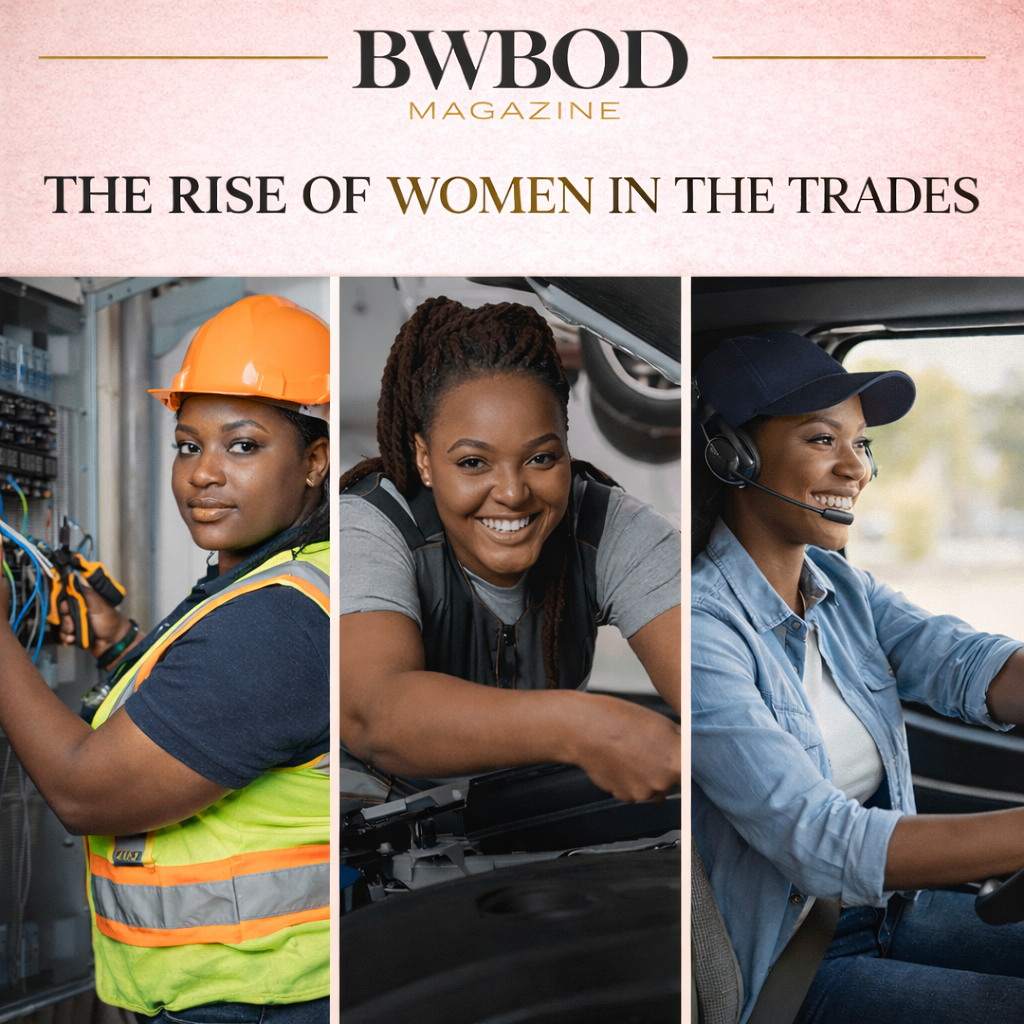
The Rise of Women in The Trades
Across the United States, a noticeable shift is underway in how women approach career planning and economic independence. Increasingly, women are opting out of the traditional four-year college route in favor of skilled trades—and the results are financially and professionally empowering.
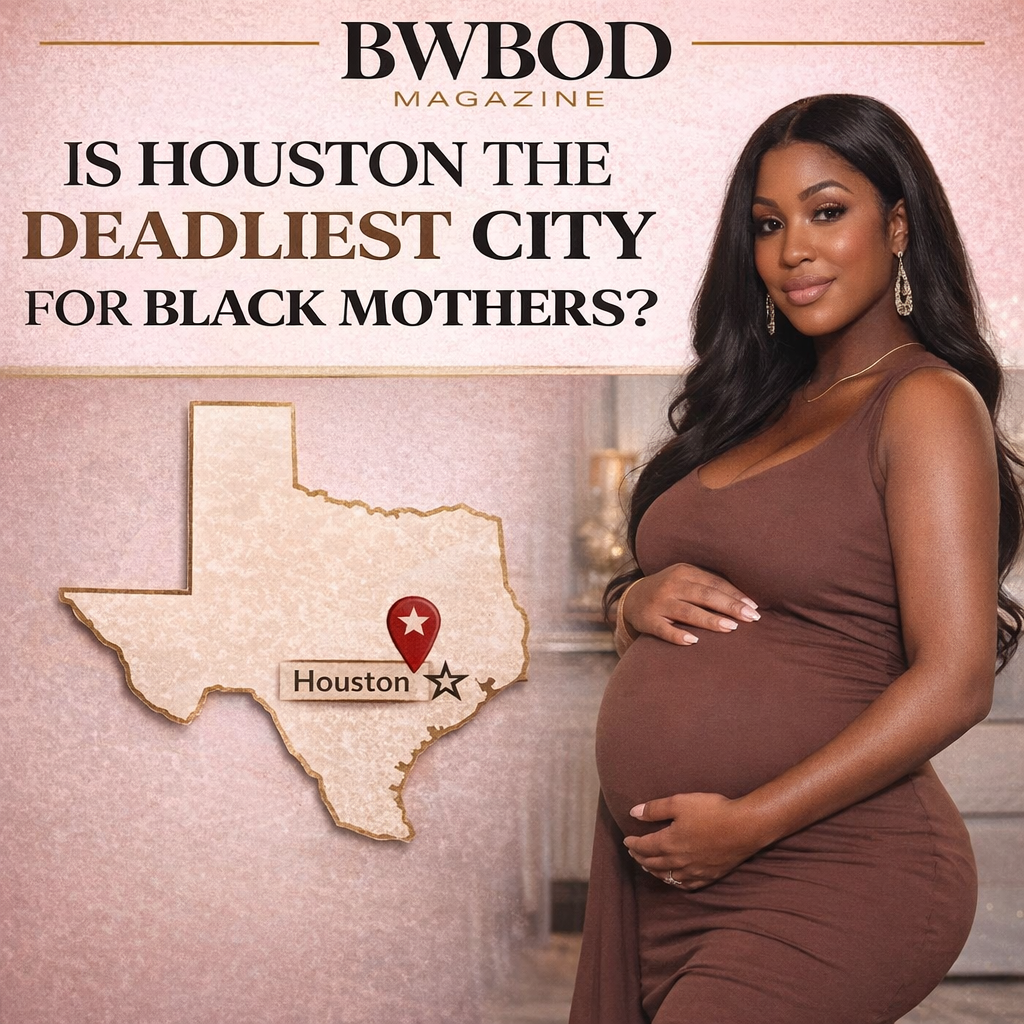
Is Houston The Deadliest City for Black Mothers?
Recent public health data have reignited urgent concern around maternal mortality in the United States—specifically for Black women in Harris County, Texas. The numbers are not just alarming; they are devastating.
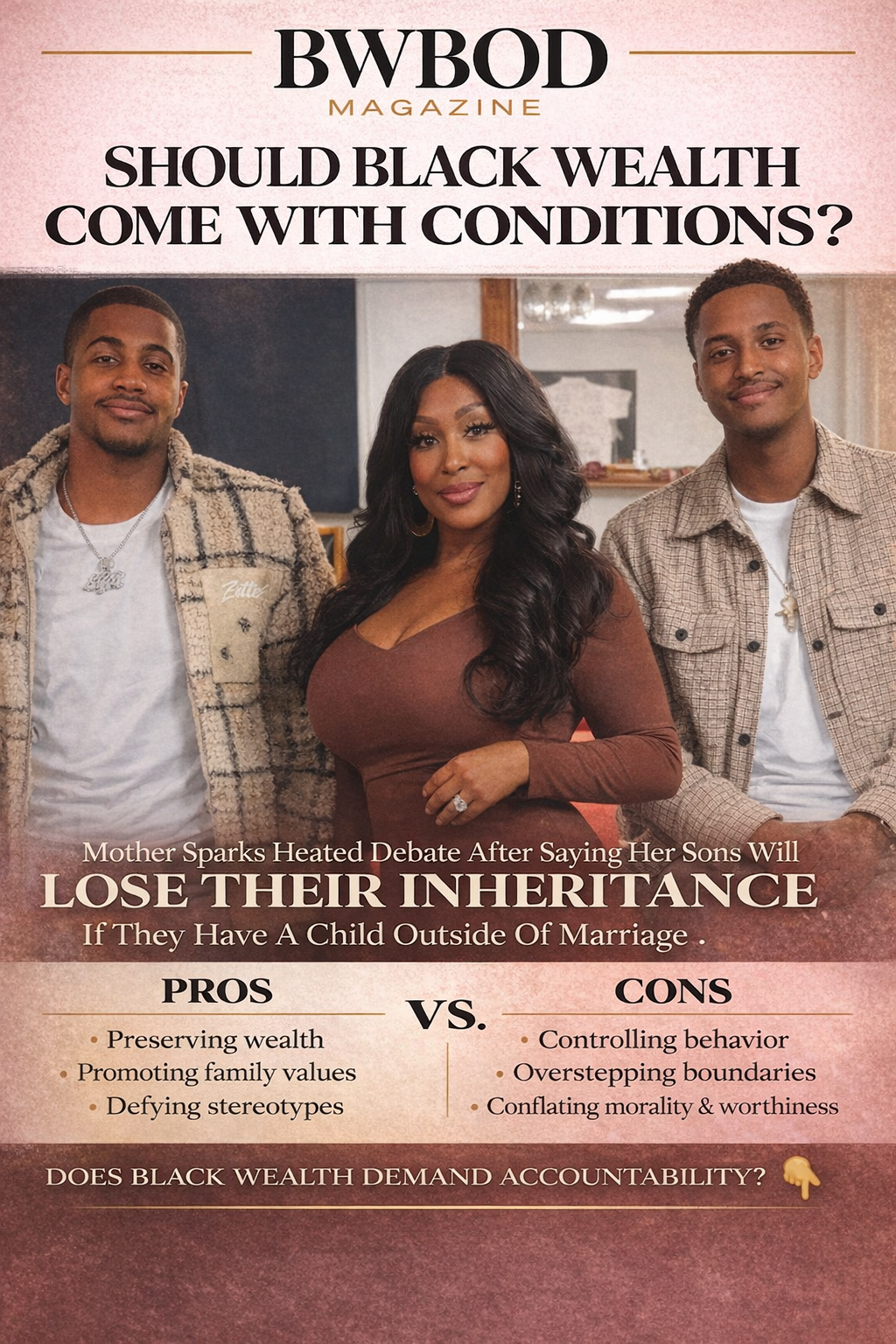
Should Black Wealth Come with Conditions?
A recent viral statement by a mother has ignited widespread conversation across social media and financial circles alike. Her declaration was clear: if her sons have children outside of marriage, they will forfeit their inheritance.

Gladys West Has Died: The Black Woman Whose Mathematics Made GPS Possible
Every time a driver follows turn-by-turn directions, a delivery arrives on time, or an emergency responder finds someone in need, they are relying on a system built on precision, mathematics, and quiet brilliance. Few people realize that at the foundation of modern GPS technology stands a Black woman whose work reshaped the world.
Gladys West, a pioneering mathematician whose calculations helped make the Global Positioning System possible, has passed away. Her death marks not just the loss of a scientific trailblazer, but a reminder of how often Black women’s contributions power modern life without recognition.
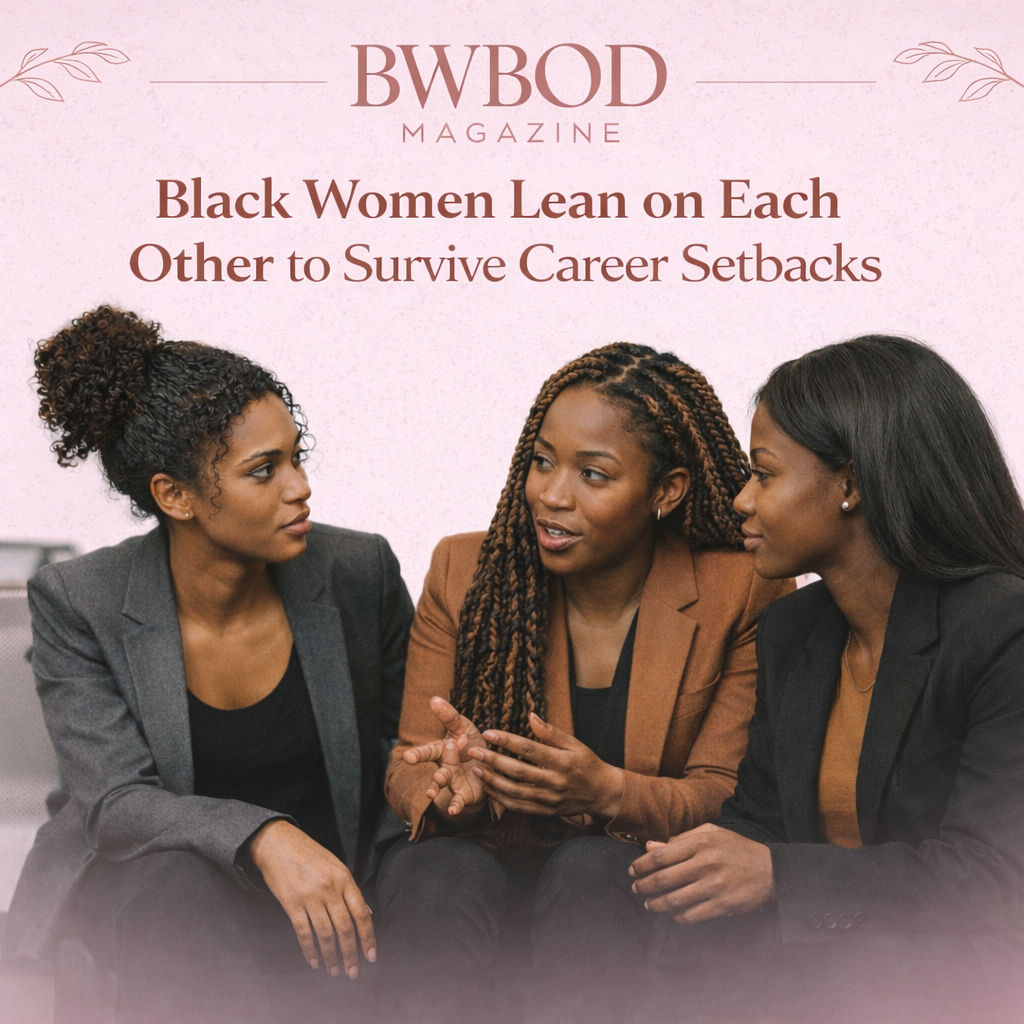
Black Women Lean on Each Other to Survive Career Setbacks
For many Black women, the professional world has always required resilience. But over the past year, that resilience has been tested in new and unsettling ways.
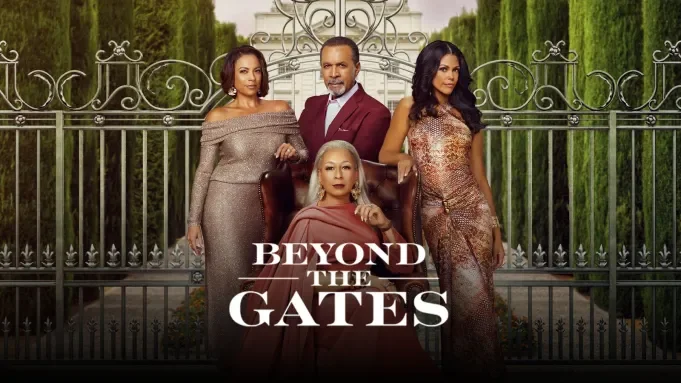
“Beyond The Gates” Gets Its Flowers: NAACP Image Award Nominee!
Black excellence continues to shine, and Beyond the Gates is officially getting its flowers.
The groundbreaking CBS series has been nominated for an NAACP Image Award, marking a powerful moment not only for the show but for Black storytelling in television as a whole. The nomination recognizes the series’ cultural impact, compelling performances, and commitment to authentic representation—elements that continue to push the industry forward.
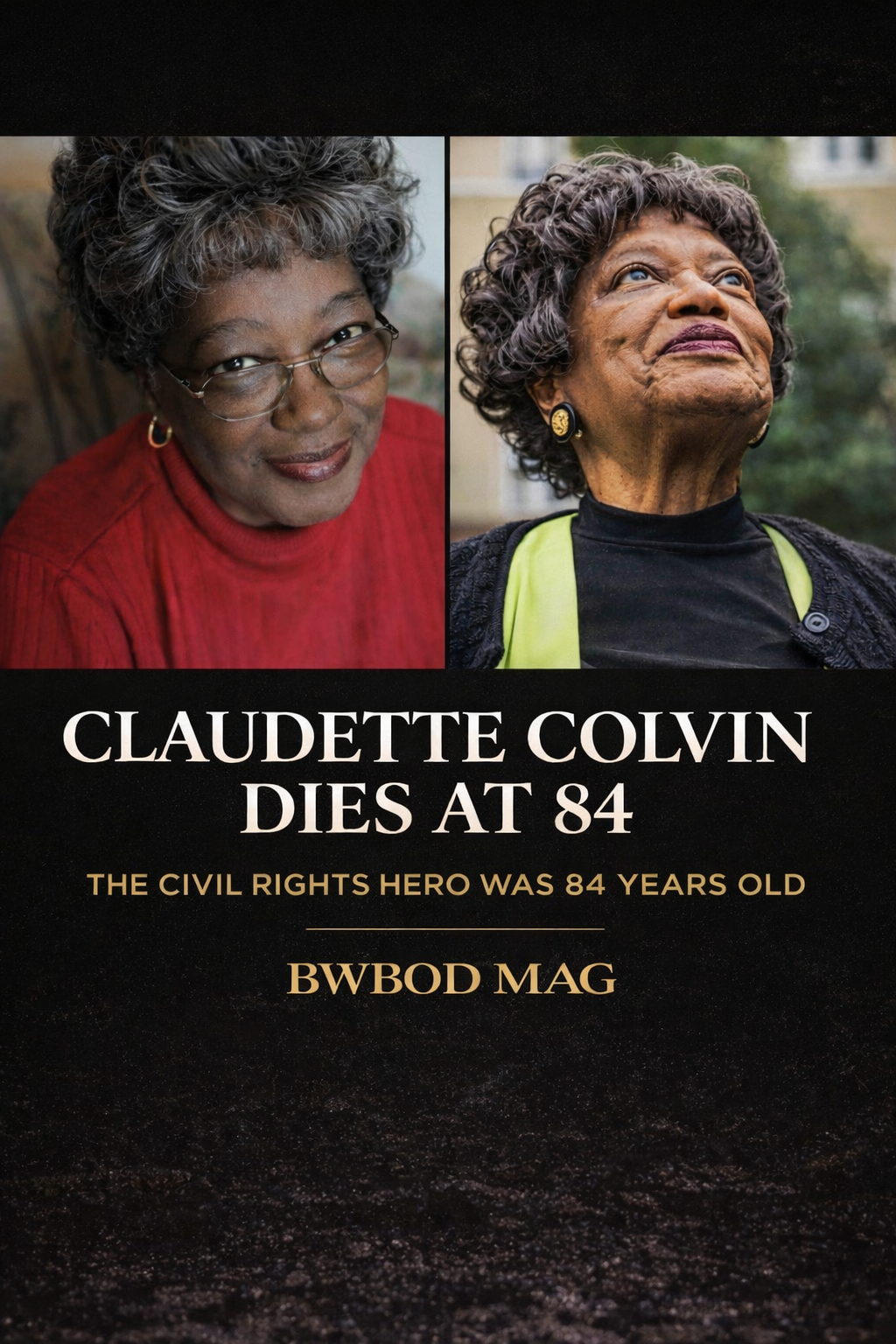
Claudette Colvin Dies at 84…
Nine months before Rosa Parks’ historic stand, Claudette Colvin was just 15 years old when she refused to give up her seat on a segregated Montgomery, Alabama bus on March 2, 1955. Her act of resistance—brave, instinctive, and deeply rooted in justice—challenged the violent logic of Jim Crow at a time when doing so placed her life at risk