
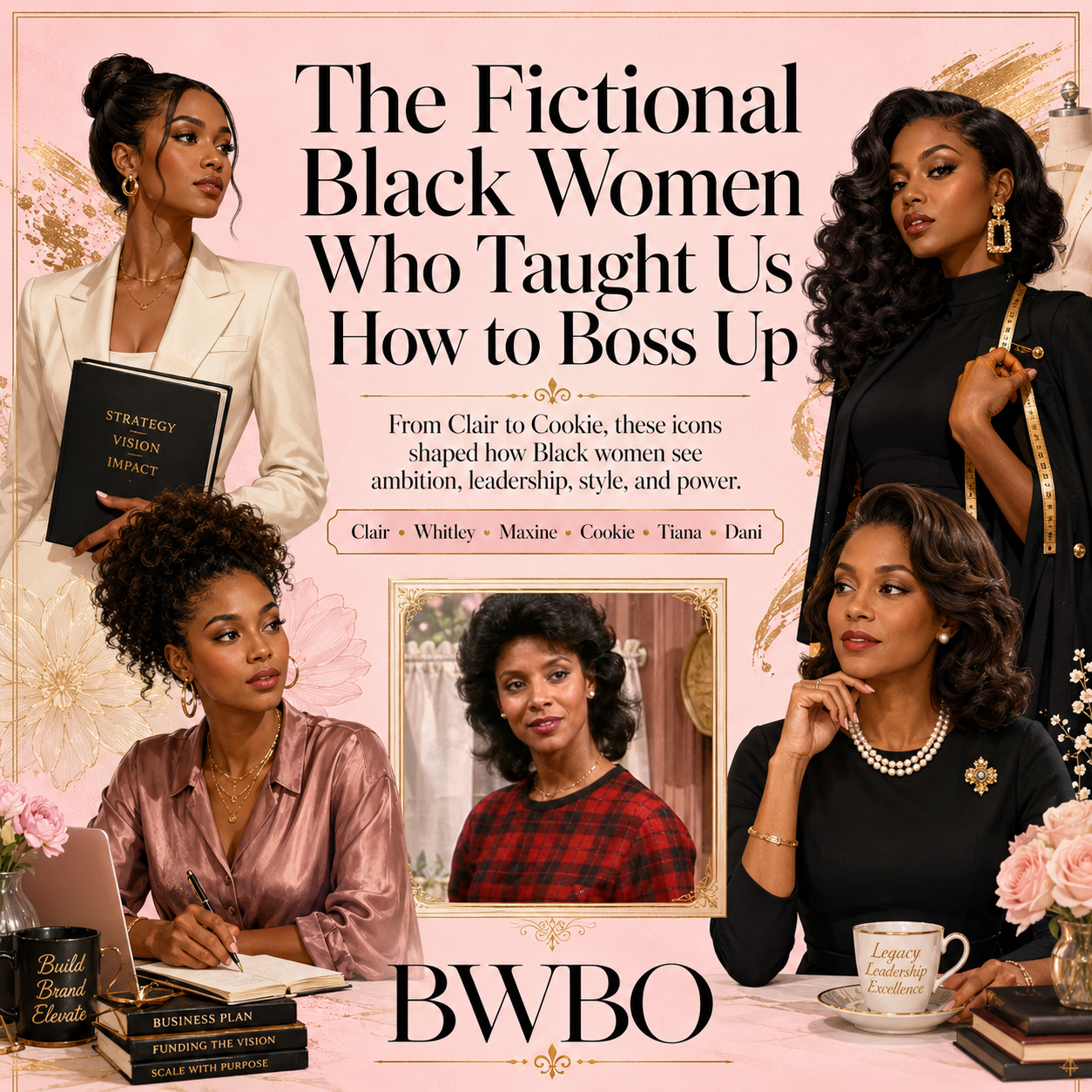
The Fictional Black Women Who Taught Us How to Boss Up Before We Had the Title
Before some Black women had mentors, boardrooms, business coaches, LinkedIn networks, or six-figure job titles, we had fictional women on television showing us what power could look like.
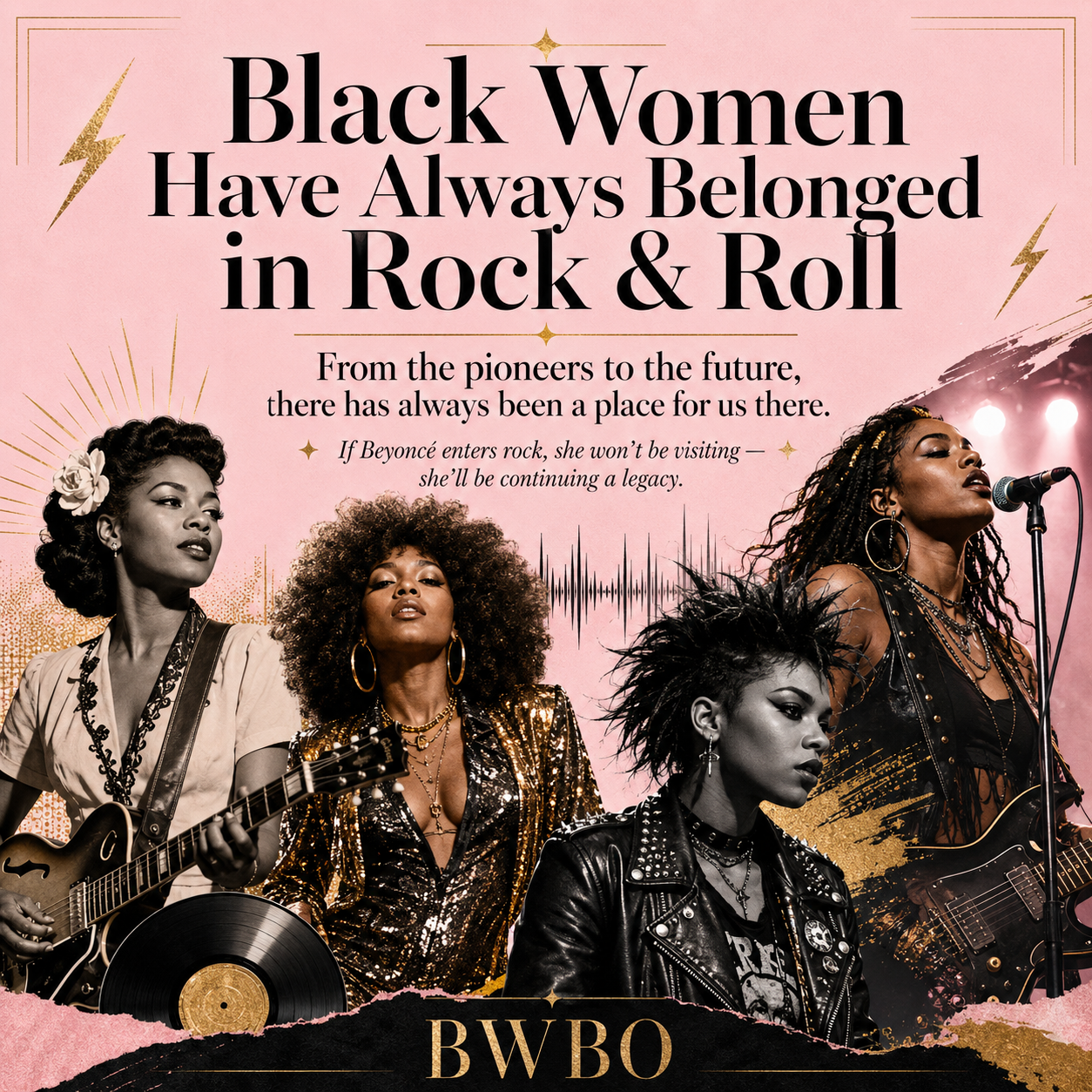
Black Women Have Always Belonged in Rock & Roll
If Beyoncé’s third act truly is rock and roll, the conversation should not be, “Can a Black woman do rock?” The question should be, “Why did so many people forget that Black women helped build it?”
After Renaissance honored Black and queer dance culture and Cowboy Carter challenged the idea that country music belongs to white America, many fans believe Beyoncé’s final act could turn toward rock. Beyoncé has confirmed that Renaissance began a three-act project recorded during the pandemic, but she has not officially confirmed the genre of Act III. Still, the speculation matters because it exposes a bigger truth: whenever a Black woman steps into a genre that the industry has tried to whiten, people act like she is visiting a place her people never built.
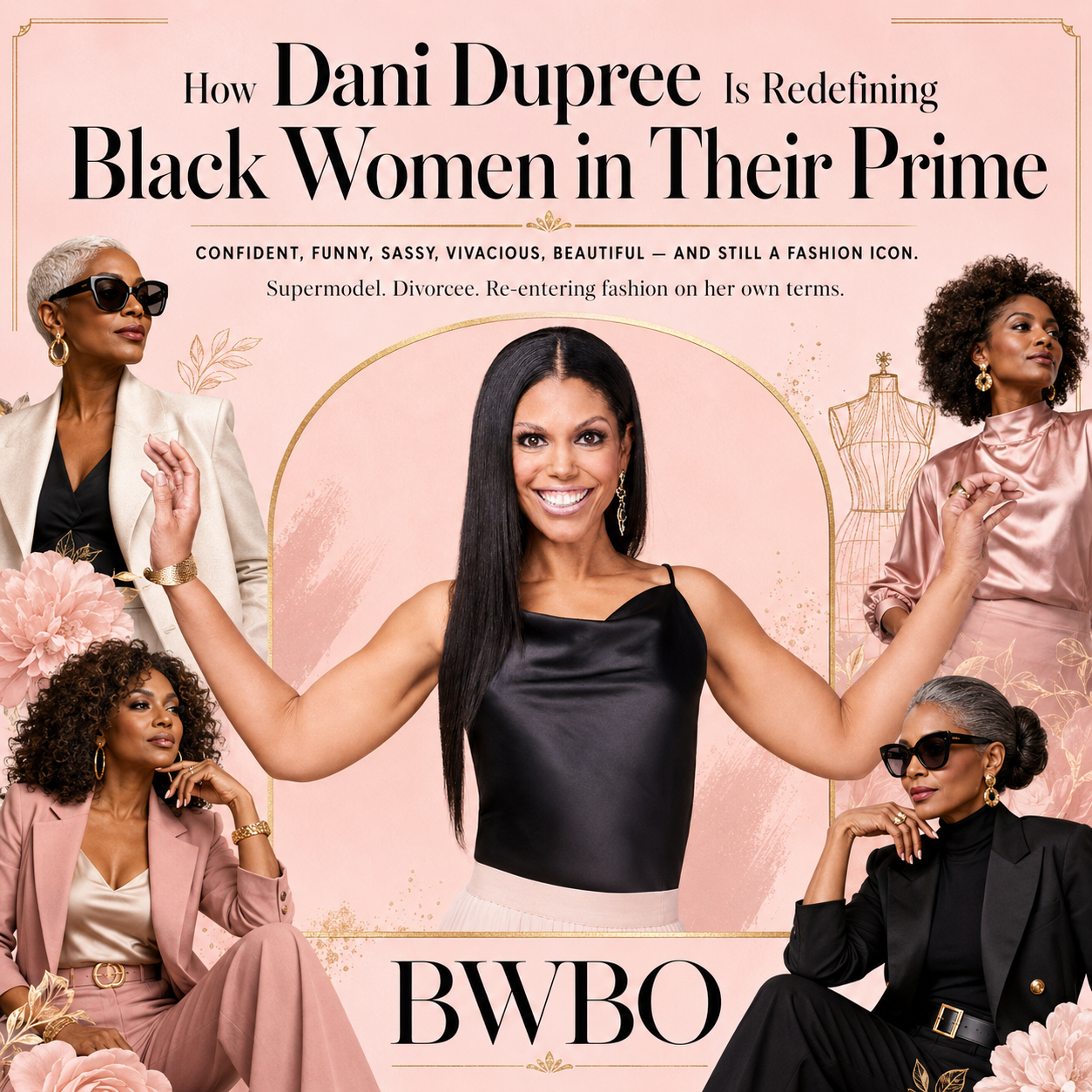
Dani Dupree Is Redefining What It Means for Black Women to Be in Their Prime
There is something electric about Dani Dupree.
The moment Karla Mosley steps on screen as Dani in Beyond the Gates, she brings a kind of energy daytime television has not always allowed Black women to have: confident, funny, sassy, wounded, glamorous, desirable, dramatic, and still deeply human. Dani is not written like a woman whose best years are behind her. She is written like a woman who has lived, lost, loved, sacrificed, and still knows she can command a room.
That is why Dani Dupree matters.
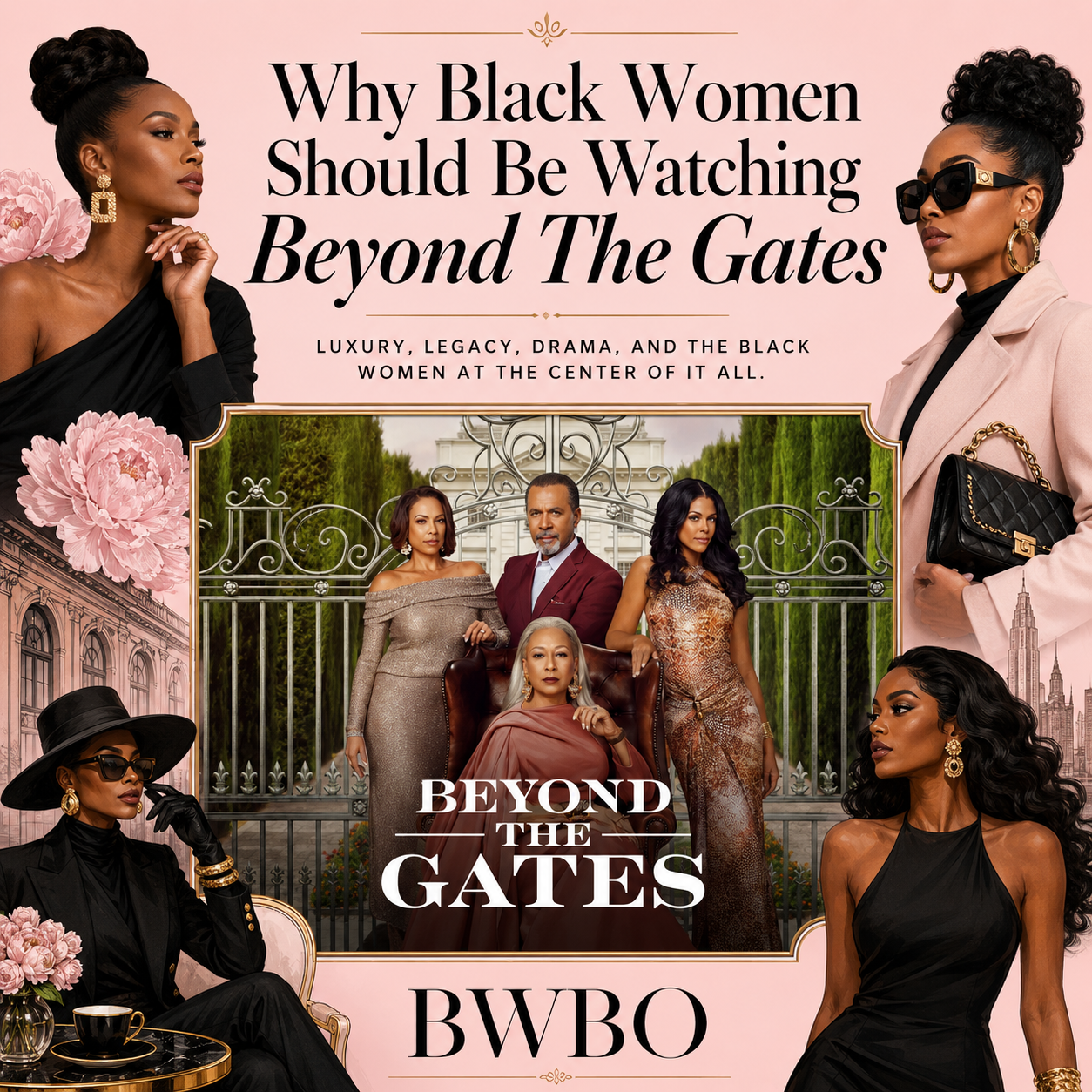
Why Black Women Should Be Watching Beyond the Gates
CBS’s Beyond the Gates is not just another soap opera. It is a cultural moment. The series centers on the Dupree family, a powerful and prestigious Black family living in a posh gated community in one of the most affluent African American areas in the country. CBS describes the Duprees as the definition of “Black royalty,” with secrets and scandals hiding behind luxury homes, manicured lawns, and polished public images.
For Black women, that matters.
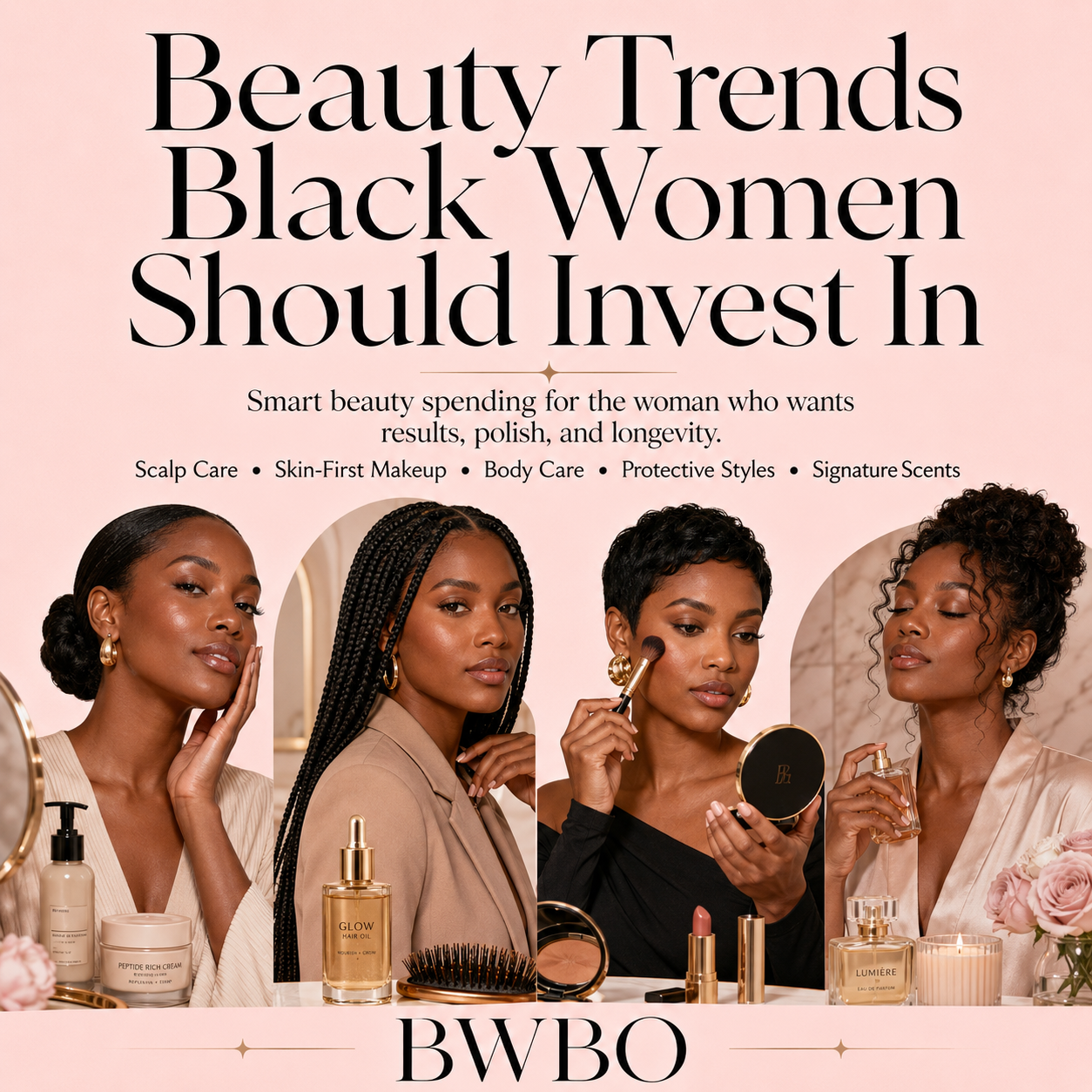
The Beauty Trends Black Women Should Actually Invest Their Money In
In 2026, the smartest beauty investment is not about buying more. It is about buying better. The biggest shifts in beauty are moving toward healthier scalp care, gentler but more effective skincare, skin-first makeup, body care that works like skincare, and beauty routines that feel luxurious without being wasteful. Experts are especially pointing to scalp-focused hair care, stronger but gentler actives like retinol and vitamin C, and minimalist makeup as major beauty directions this year.
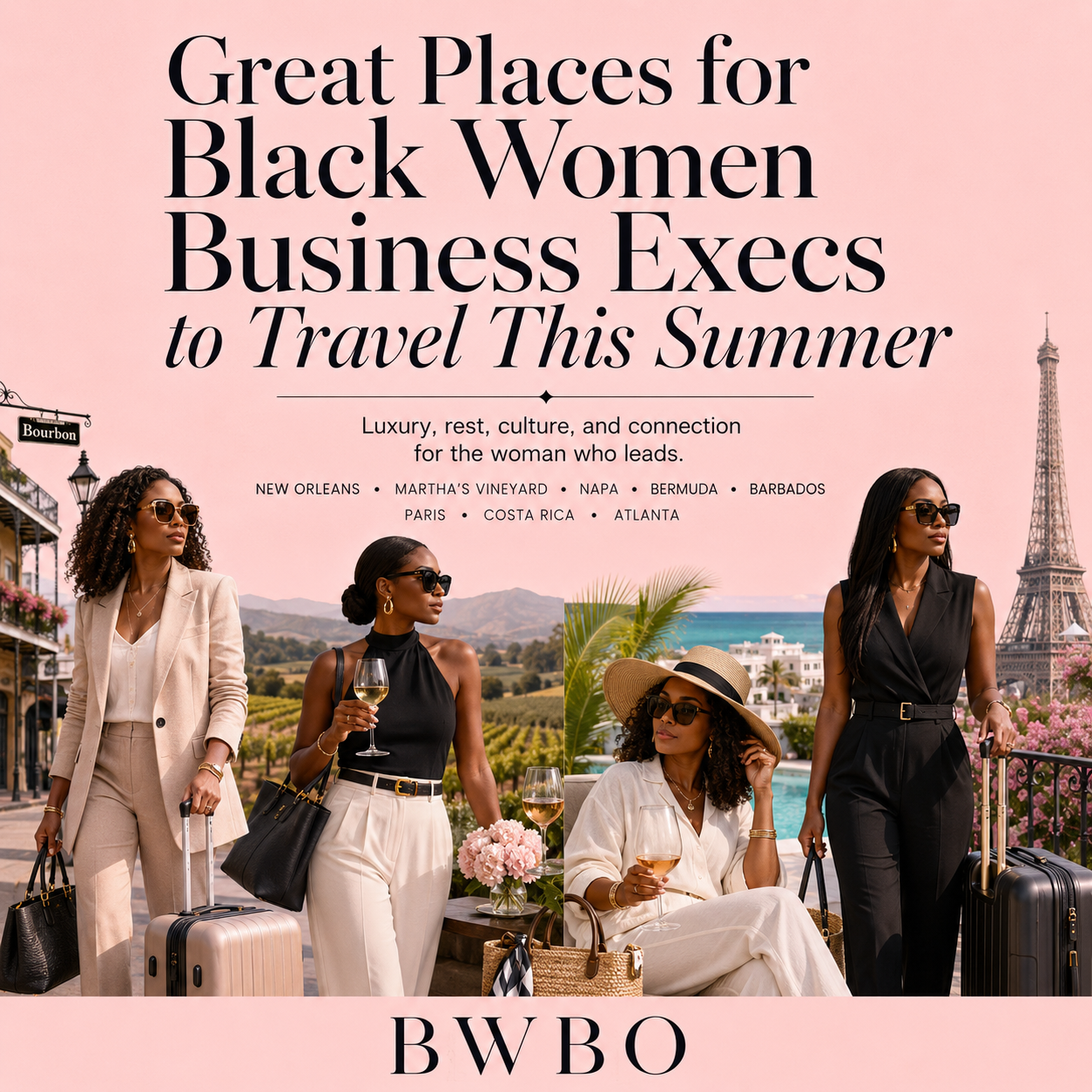
Executive Escape: Great Summer Travel Destinations for Black Women in Business
The best summer destinations for Black women in business are places where luxury meets meaning: somewhere to reset, network, be seen, eat well, dress beautifully, and return with your spirit and strategy sharpened.
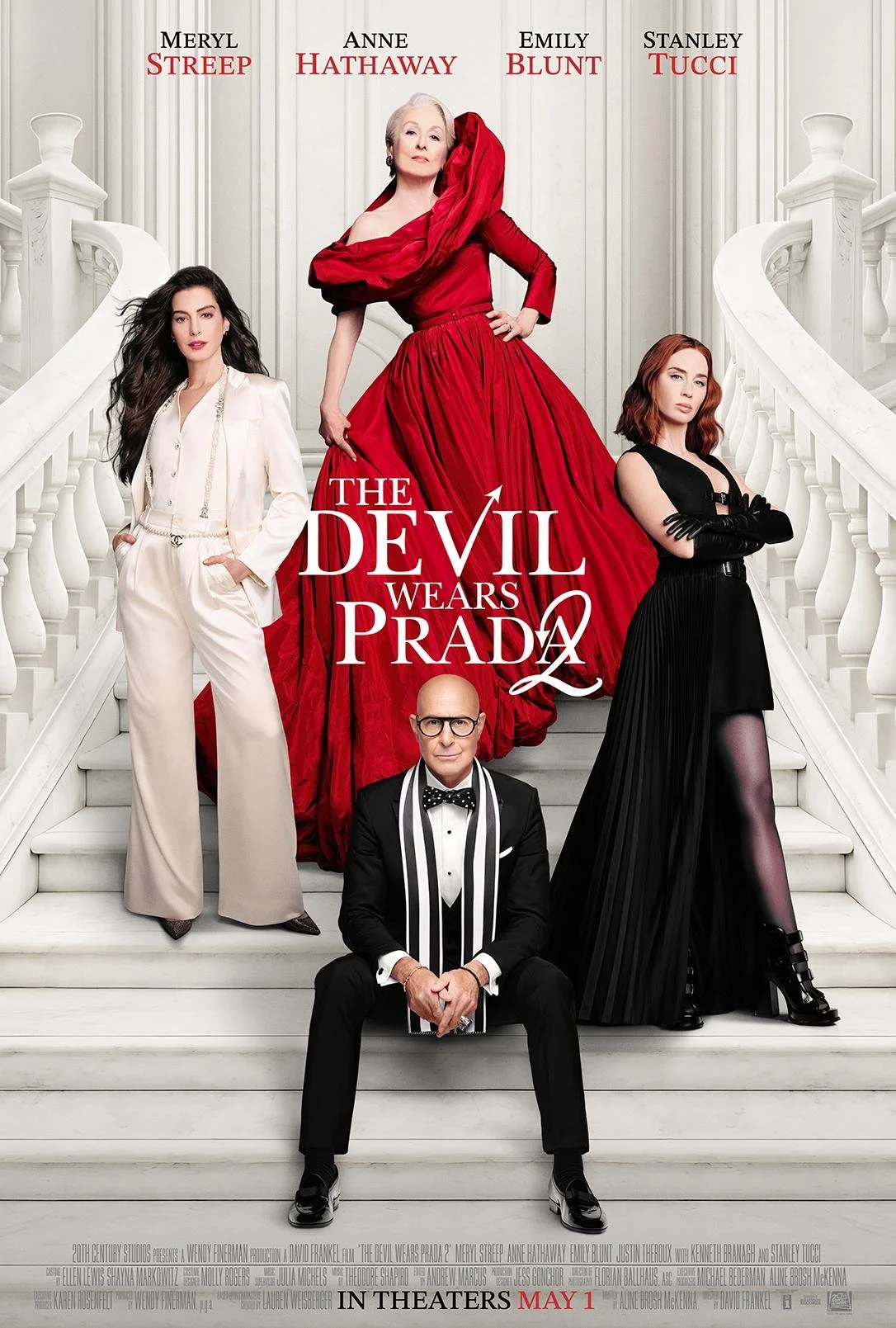
The Devil Wears Prada 2 Is the Fashion-Fueled Comeback We Didn’t Know We Needed
Nearly 20 years after The Devil Wears Prada became a pop culture classic, the sequel arrives with the impossible task of honoring the original while proving it has something new to say. Thankfully, The Devil Wears Prada 2 does exactly that. It does not simply revisit Runway, Miranda Priestly, Andy Sachs, Emily Charlton, and the glamorous chaos of the fashion world for nostalgia’s sake. It expands the story into something more mature, more reflective, and surprisingly timely.
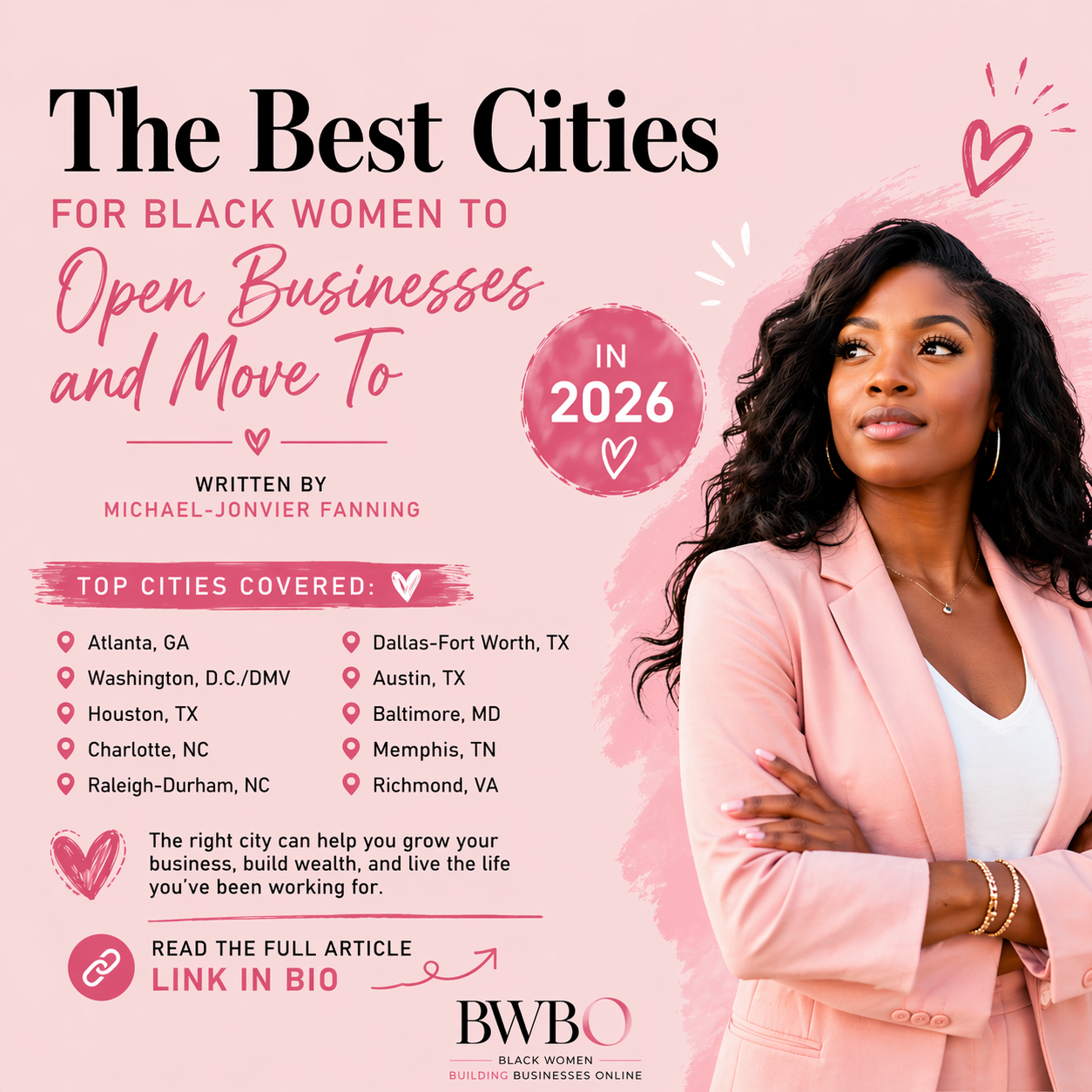
The Best Cities for Black Women to Open Businesses and Move to in 2026
Black women are not waiting for permission in 2026. They are building brands, launching service-based companies, opening storefronts, creating wellness spaces, becoming consultants, entering tech, buying property, and turning side hustles into real businesses. Recent data from Wells Fargo shows why this matters: between 2024 and 2025, Black women-owned employer businesses grew by 13%, with revenue rising nearly 6%; Black women-owned non-employer businesses also grew by 13%, with revenue rising 8%.
But where a Black woman chooses to build can matter almost as much as what she builds. The best city is not just the one with the trendiest skyline or the biggest “Black excellence” reputation. It is the city where she can find customers, community, capital, talent, affordability, safety, professional networks, and room to grow without being priced out before the business even breathes.
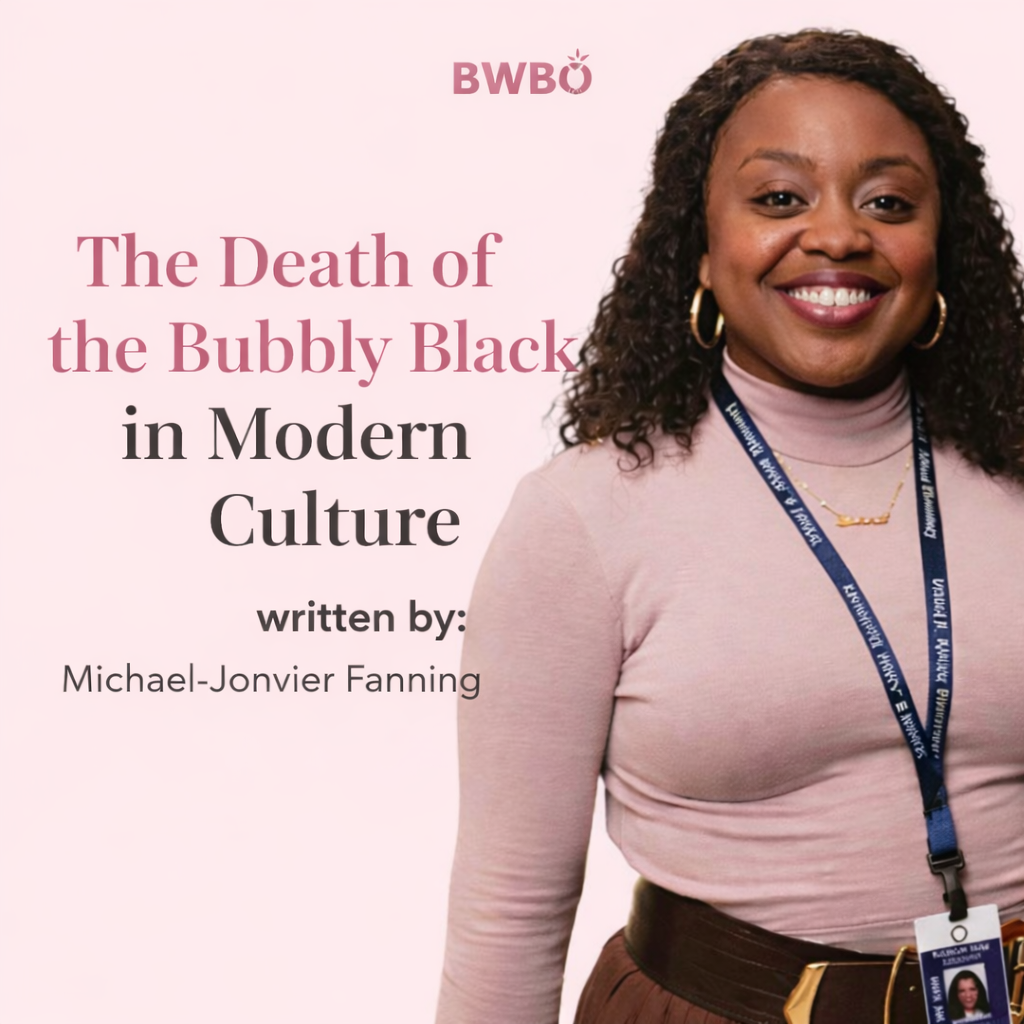
The Death of the Bubbly Black Girl in Modern Culture
For years, television and film have had a complicated relationship with the “bubbly Black girl.” She is bright, expressive, talkative, ambitious, socially awkward, deeply emotional, and often painfully sincere. But instead of being treated as layered, charming, or fully human, she is too often framed as irritating, embarrassing, romantically undesirable, or socially out of step. Her joy becomes “too much.” Her intelligence becomes “white acting.” Her ambition becomes intimidating. Her awkwardness becomes a punchline. Her vulnerability becomes something everyone around her is allowed to mock.
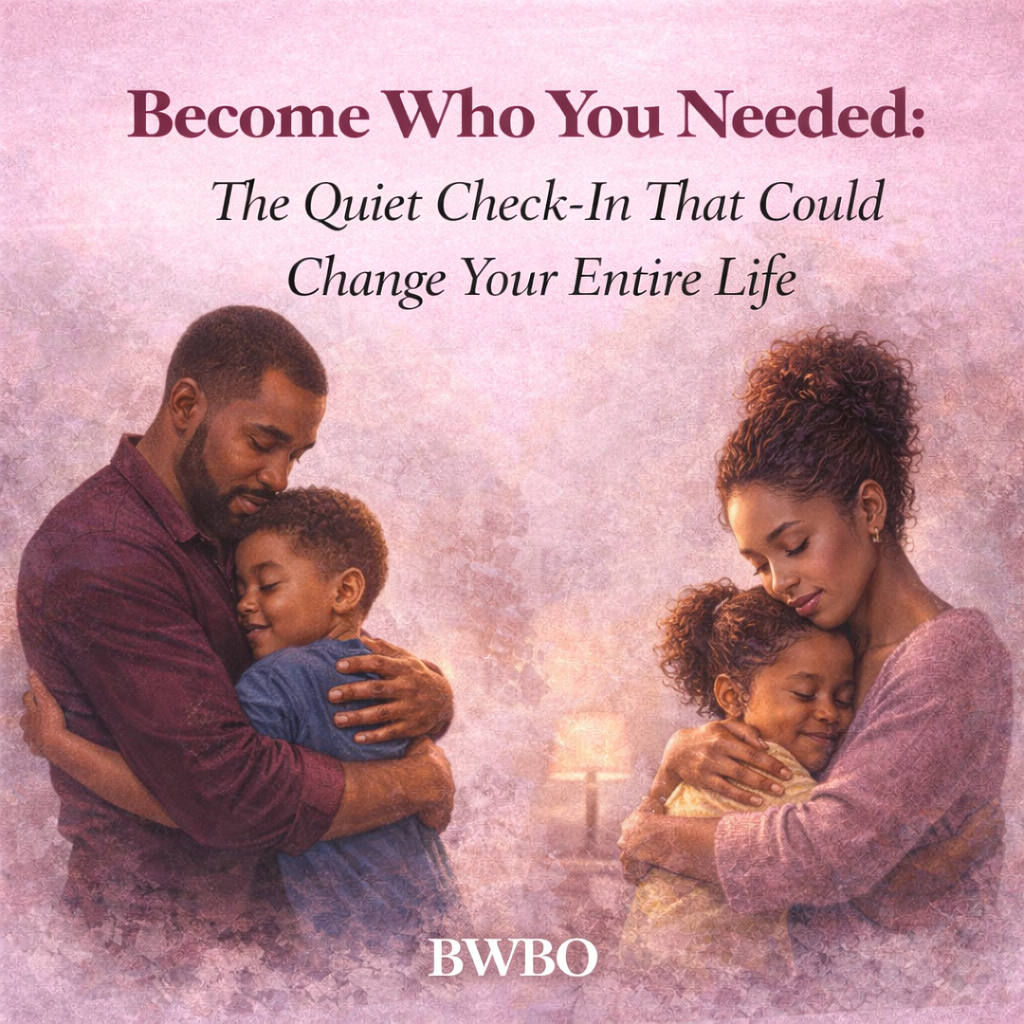
Become Who You Needed: The Quiet Check-In That Could Change Your Entire Life
Have I become the person I needed when I was younger? Not the version shaped by expectations, survival, or circumstance—but the version that would have protected, affirmed, and believed in us when we didn’t yet know how to do that for ourselves. It’s a question that doesn’t demand an immediate answer, but it does require honesty. And for many, that honesty can be both revealing and transformative.
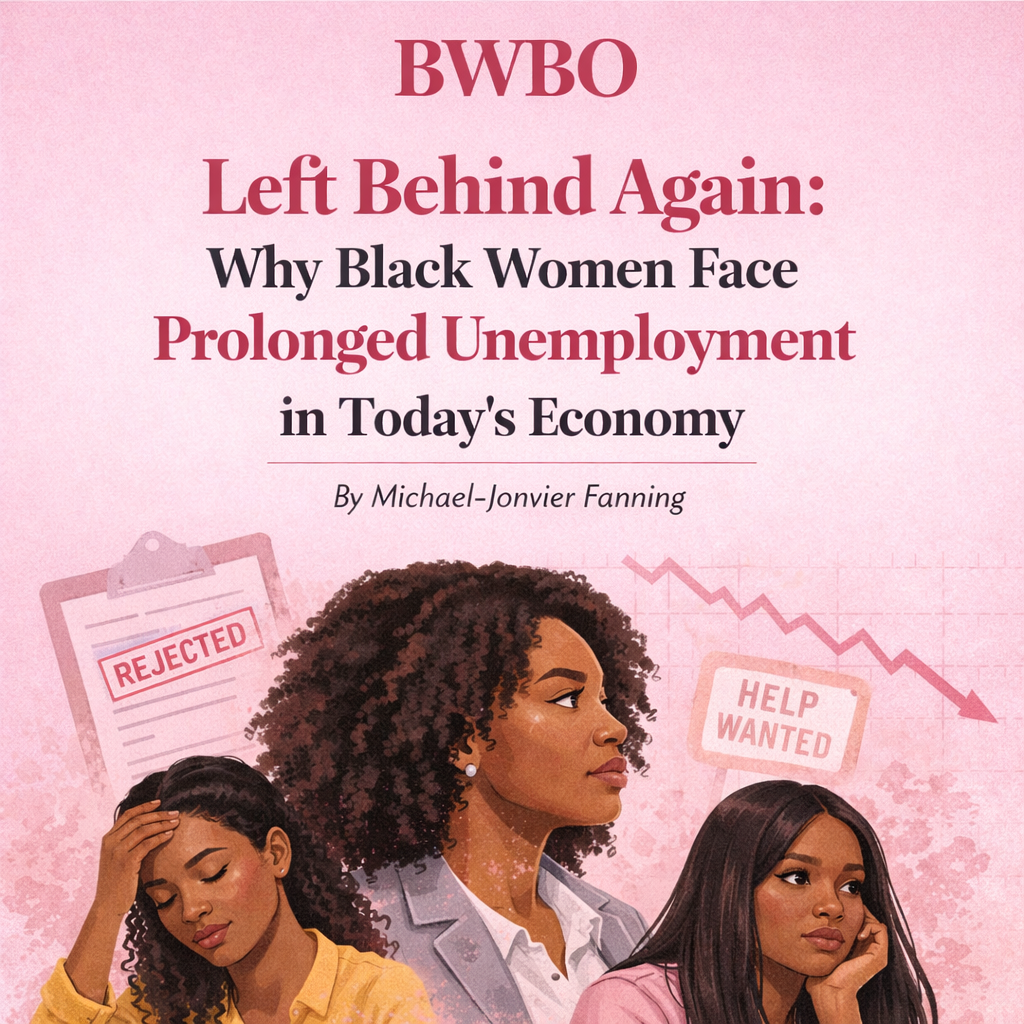
Left Behind Again: Why Black Women Face Prolonged Unemployment in Today’s Economy
In today’s economy, a troubling pattern continues to emerge—one that reflects not just economic shifts, but deeply rooted structural inequities. Black women are experiencing disproportionately high and prolonged unemployment rates compared to other demographic groups. Recent labor data shows that unemployment for Black women has hovered between approximately 6.5% and 7.7% in recent reporting periods, significantly higher than the national average for women overall, which remains closer to 4%. While the broader economy is often described as stable or recovering, this stability has not translated equally across all populations. For Black women, the recovery has been slower, more fragile, and in many cases, nonexistent.
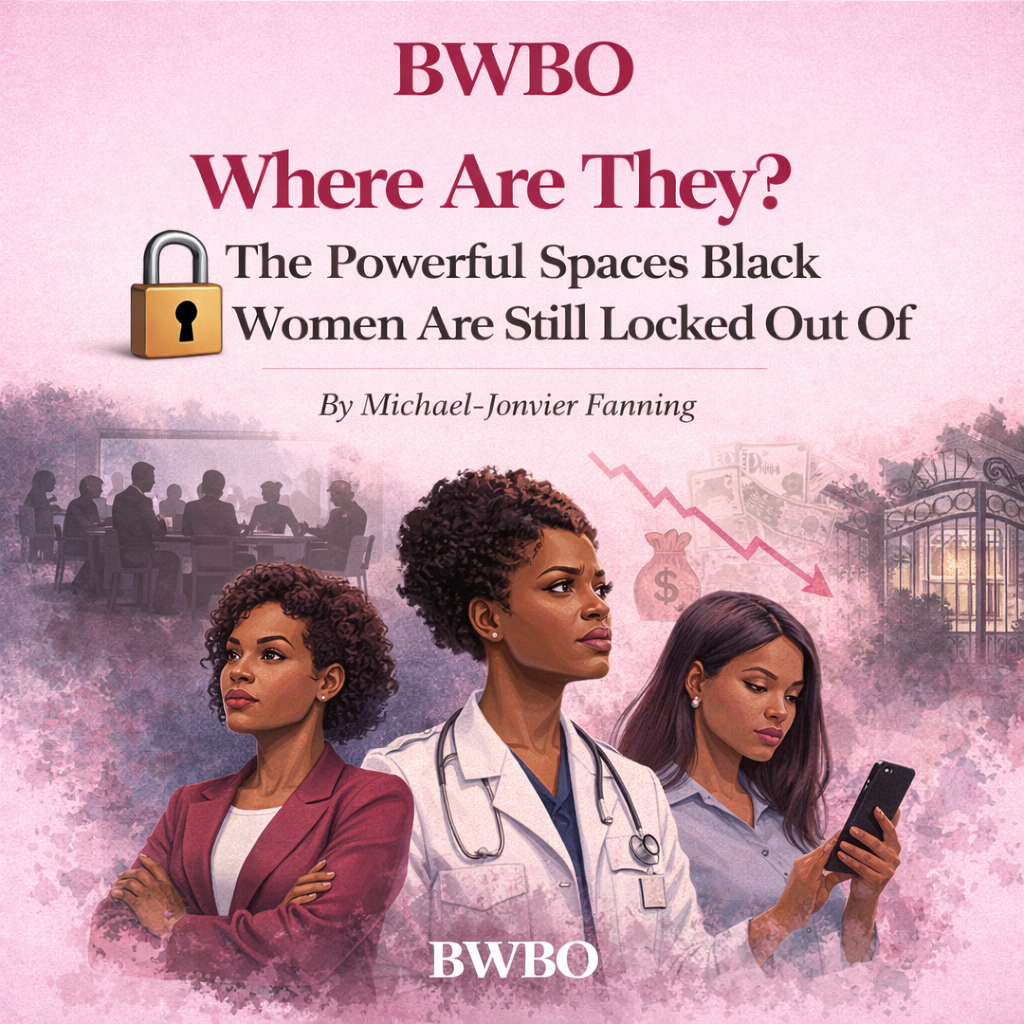
Where Are They? The Powerful Spaces Black Women Are Still Locked Out Of
There is a question echoing louder in today’s economy, leadership circles, and innovation spaces: where are they? Not as a whisper, but as a demand for accountability. Because while Black women continue to be among the most educated, resilient, and culturally influential groups in America, their absence in key positions of power remains impossible to ignore. This is not about visibility alone—it is about access, influence, and ownership in the spaces that shape the future.
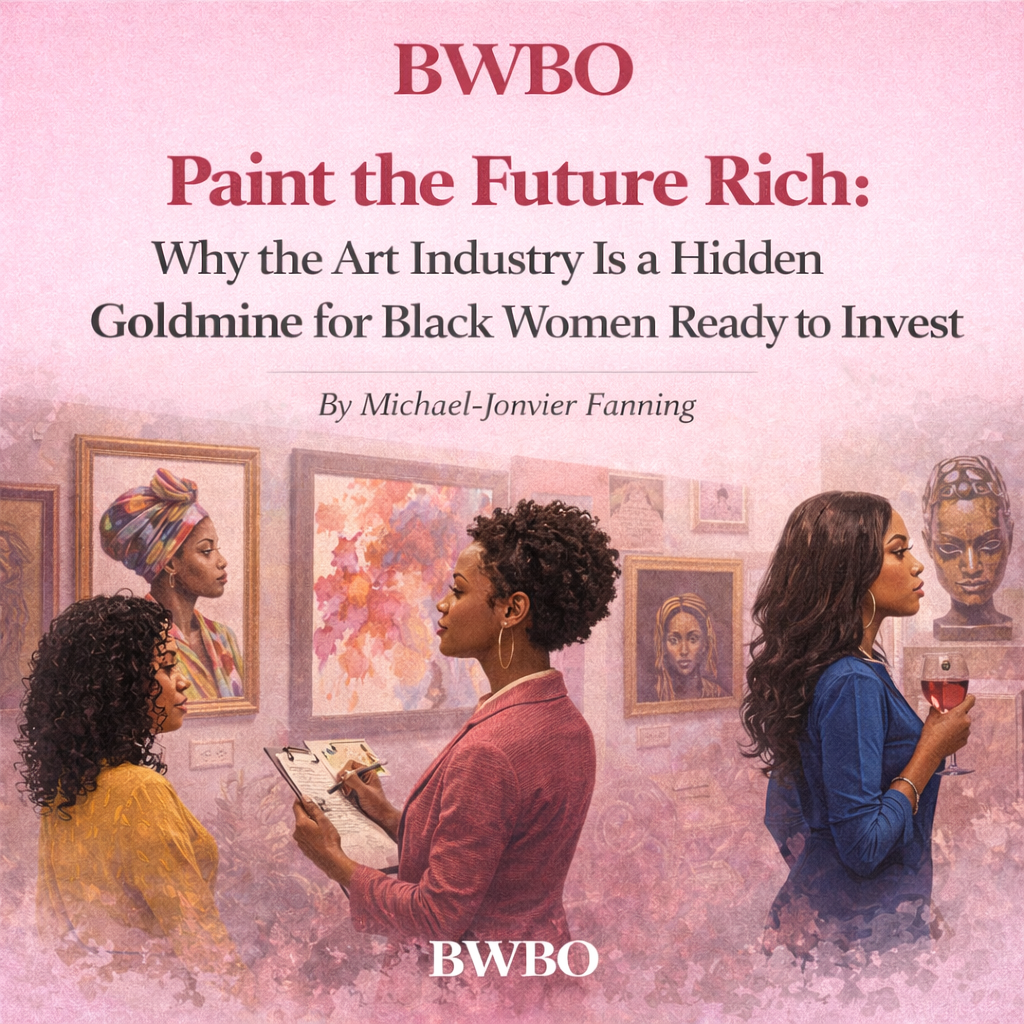
Paint the Future Rich: Why the Art Industry Is a Hidden Goldmine for Black Women Ready to Invest
For generations, wealth has been built in spaces that often excluded Black women—real estate, corporate leadership, and venture capital. But a new frontier is gaining traction, one that blends culture, influence, and financial growth in a way that is both powerful and deeply aligned with identity: the art industry. What was once seen as a niche or elite market is now emerging as a lucrative and strategic investment opportunity, and Black women are uniquely positioned to capitalize on it.
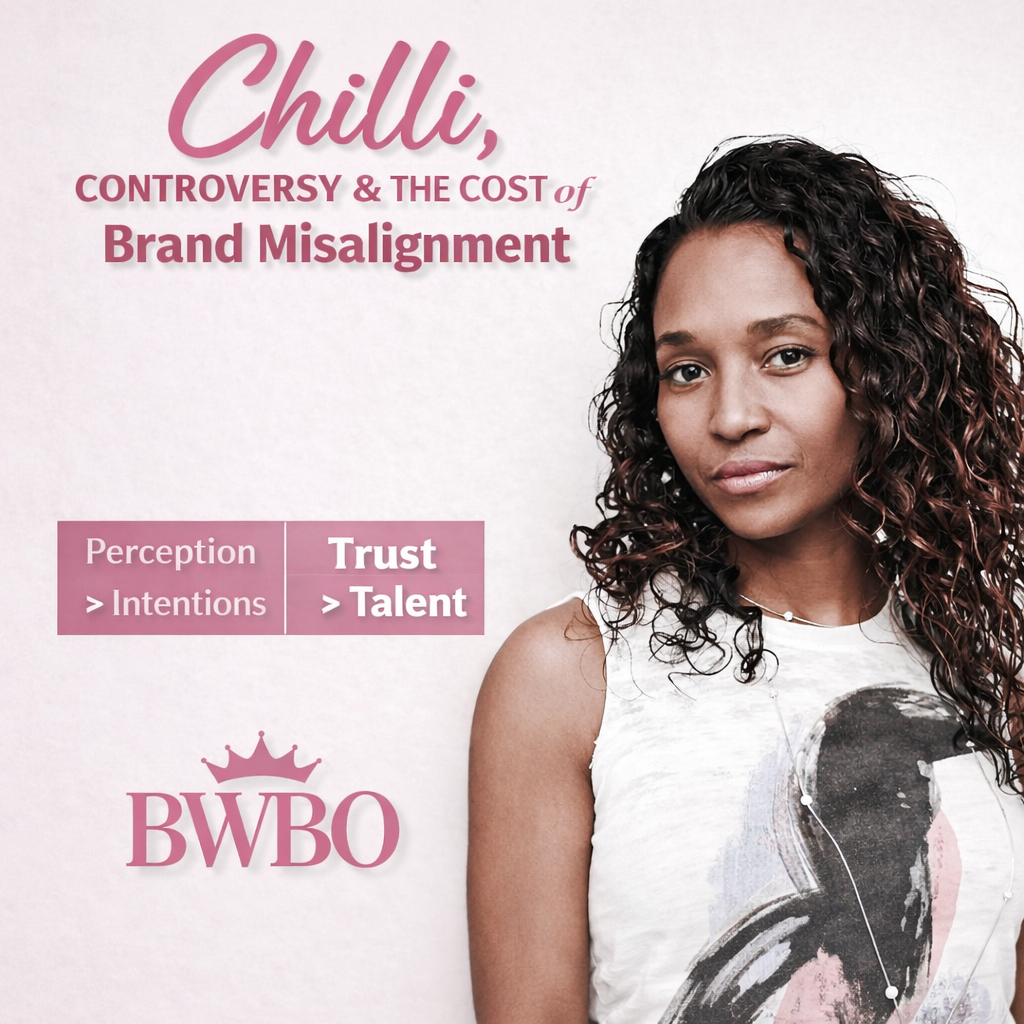
Chilli, Controversy & the Cost of Brand Misalignment
In the age of screenshots, receipts, and real-time reactions, a brand can shift overnight—not because of what was intended, but because of what was perceived. That is exactly what we are witnessing with Rozonda "Chilli" Thomas. What started as online chatter quickly evolved into a full-blown conversation about trust, alignment, and the fragile nature of public image in a digital-first world.
America’s Birth Rate Crisis: Why More Women Are Childless Than Ever—and What It Really Means
A headline like the one circulating—claiming that 52% of women ages 20–39 are childless—sounds shocking at first glance. It feels like a sudden shift, almost like something has gone wrong overnight. But when you look at the actual data, the story becomes less about crisis and more about transformation.
According to research from the University of New Hampshire Carsey School of Public Policy, the statistic itself is accurate. In 2024, there were approximately 44.2 million women between the ages of 20 and 39 in the United States, and about 23.1 million of them—52%—had not yet given birth.
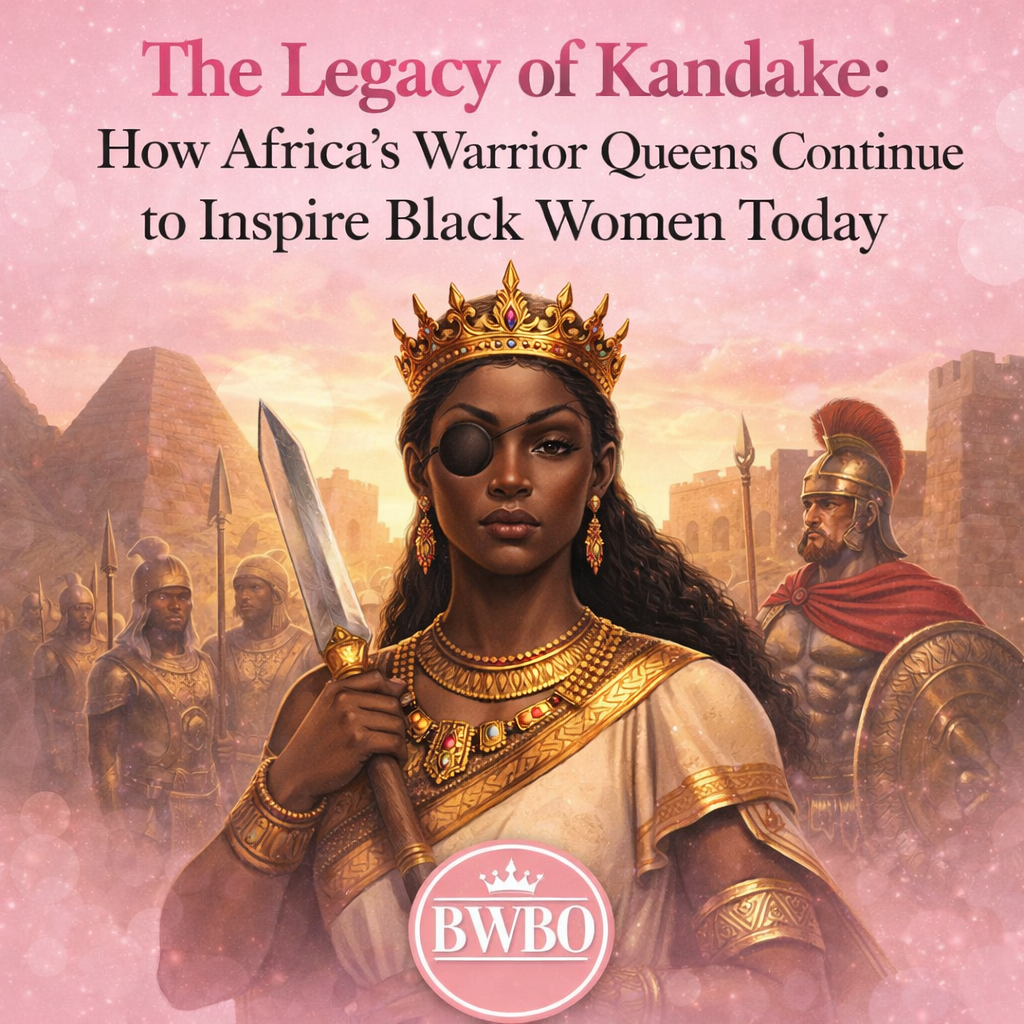
The Legacy of Kandake: How Africa’s Warrior Queens Continue to Inspire Black Women Today
History remembers her as Kandake—sometimes written as Candace—a name that has come to symbolize power, resistance, and unshakable leadership. Often described as a queen of Ethiopia who rode into battle to defend her people, Kandake has become a legendary figure. But the truth behind her story is even more powerful, and her legacy continues to inspire Black women across the world today.
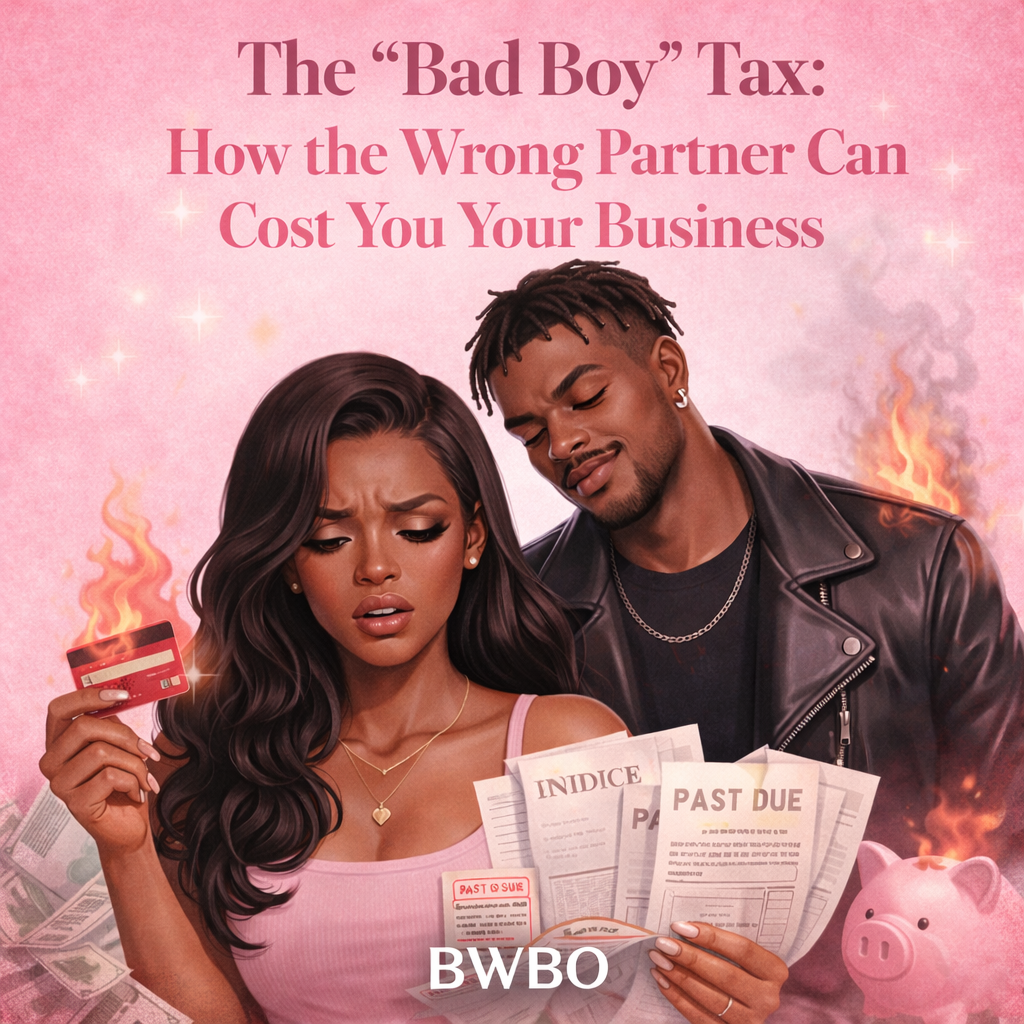
The “Bad Boy” Tax: How the Wrong Partner Can Cost You Your Business
There’s a version of love that looks exciting on the surface.
It’s intense. It’s unpredictable. It feels passionate, consuming—like something out of a movie. The “bad boy” archetype thrives in this space. He’s charismatic, a little reckless, emotionally unavailable just enough to keep you chasing clarity.
And for a lot of women—especially ambitious, driven women—that dynamic can feel intoxicating.
But here’s the truth no one romanticizes:
That kind of love can cost you. And not just emotionally—financially, professionally, and mentally.
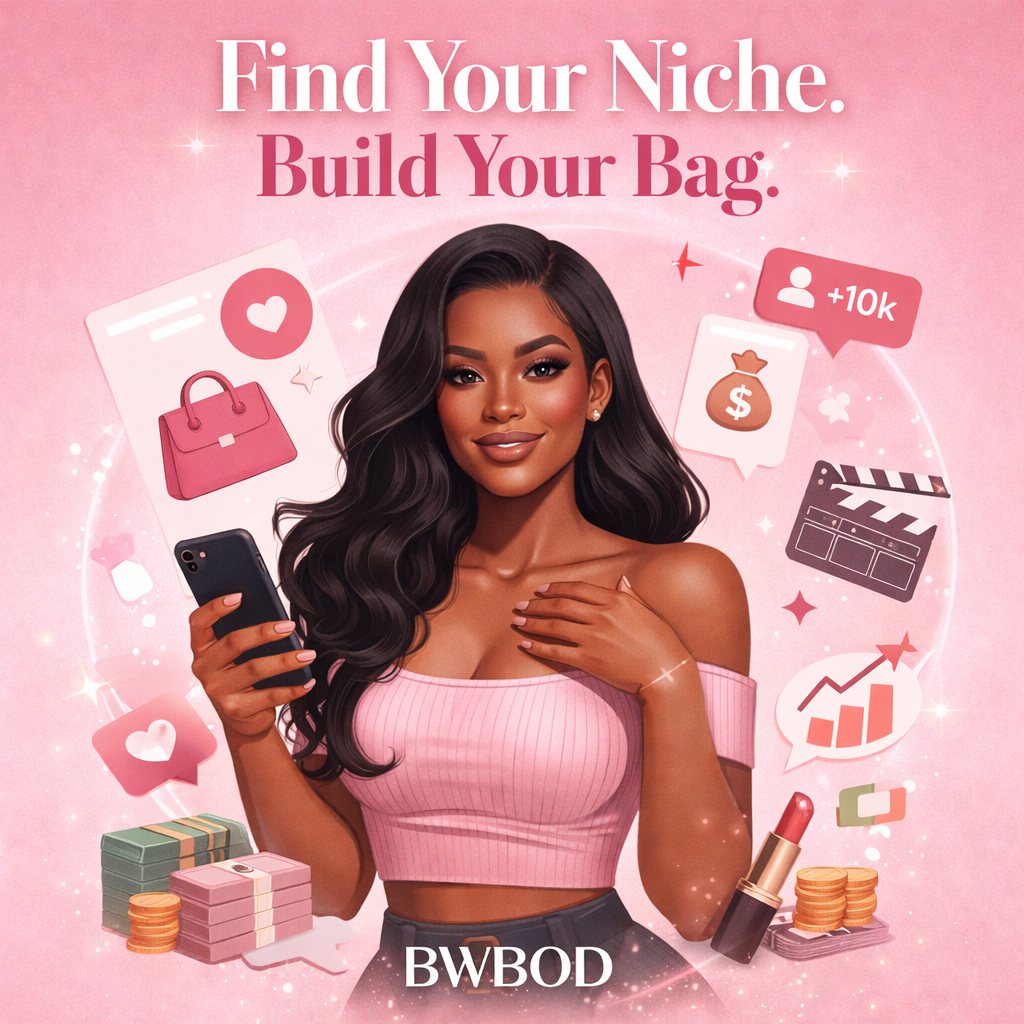
Find Your Niche. Build Your Bag.
Posting is easy. Positioning is power.
In 2026, anyone can download an app, film a video, and hope it goes viral. But virality without direction is noise—and noise doesn’t build income, influence, or longevity.
For Black women entering the influencer space, success isn’t about doing more.
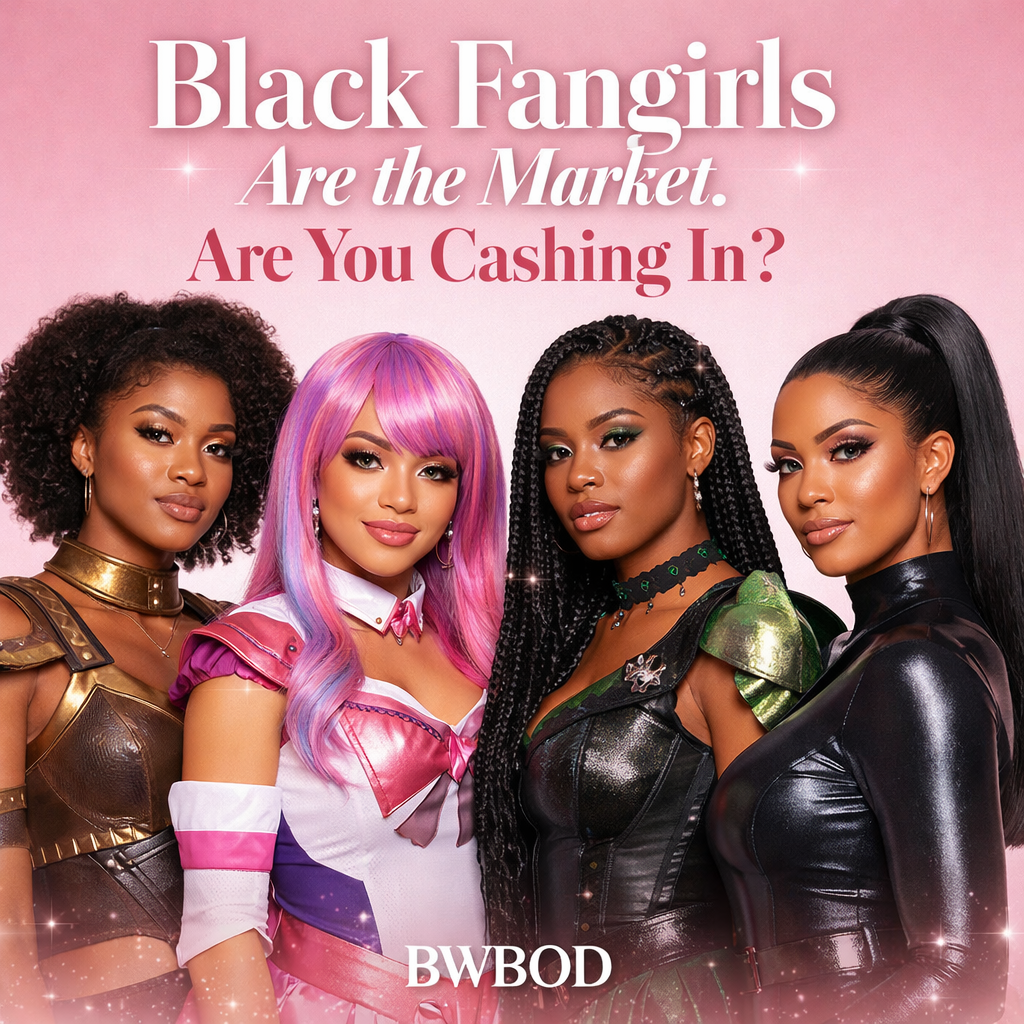
From Fans to Founders: How Black Women Entrepreneurs Can Cash In on the Rise of Black Fangirls and Cosplayers
For years, Black fangirls and cosplayers have been building culture without getting the full economic return from it. Now in 2026, that’s changing—and fast.
This is no longer just about showing up to conventions or going viral online. This is a full-blown economy. And if Black women entrepreneurs move intentionally, this space can become a pipeline for ownership, brand building, and long-term wealth.
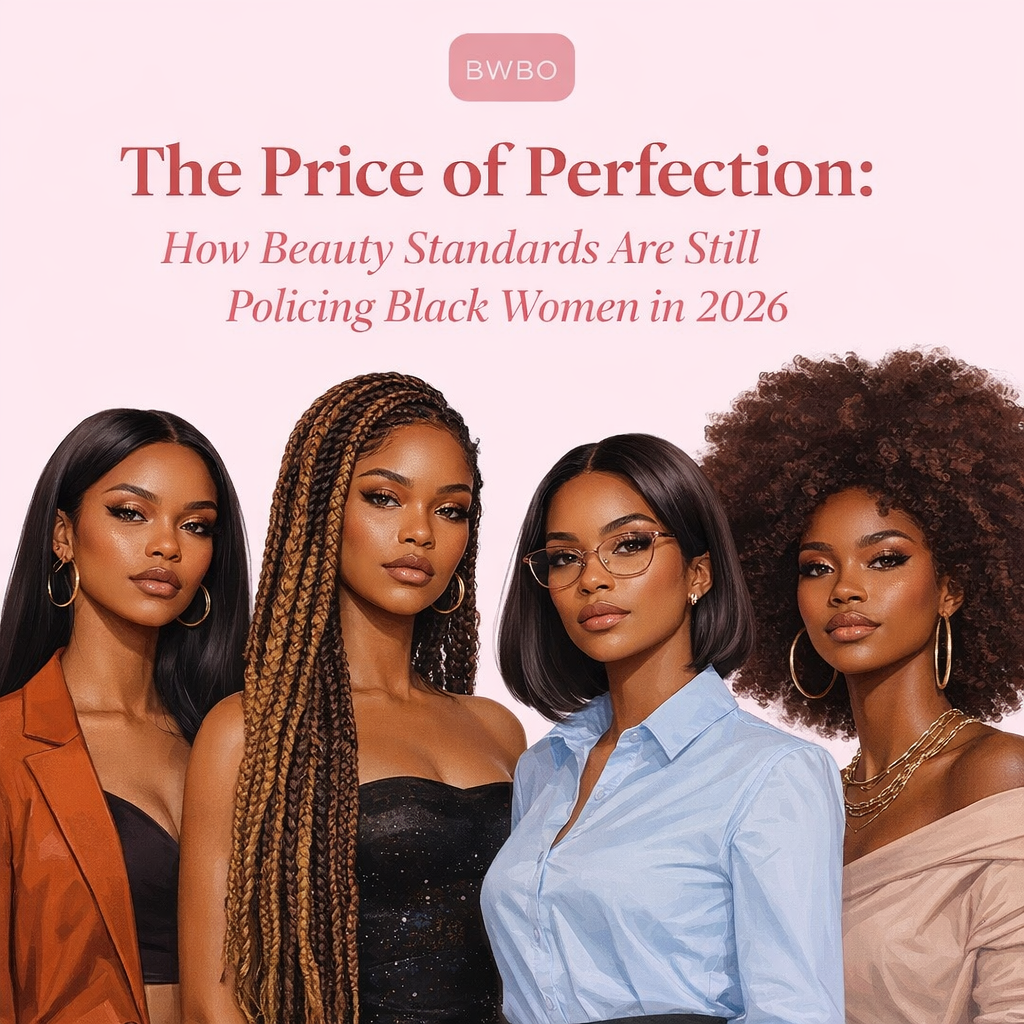
The Price of Perfection: How Beauty Standards Are Still Policing Black Women in 2026
We like to believe we’ve evolved.
That somewhere between the rise of natural hair movements, inclusive marketing campaigns, and conversations around representation, the world has finally made space for Black women to exist as they are—unfiltered, unaltered, and unapologetic.
But in 2026, the truth feels more complicated.
Because while the conversation has changed, the expectations haven’t fully caught up.
Black women are still navigating a world that subtly—and sometimes overtly—demands conformity. Not just to beauty, but to a very specific version of beauty that feels palatable, professional, and “acceptable” within societal and corporate spaces.