
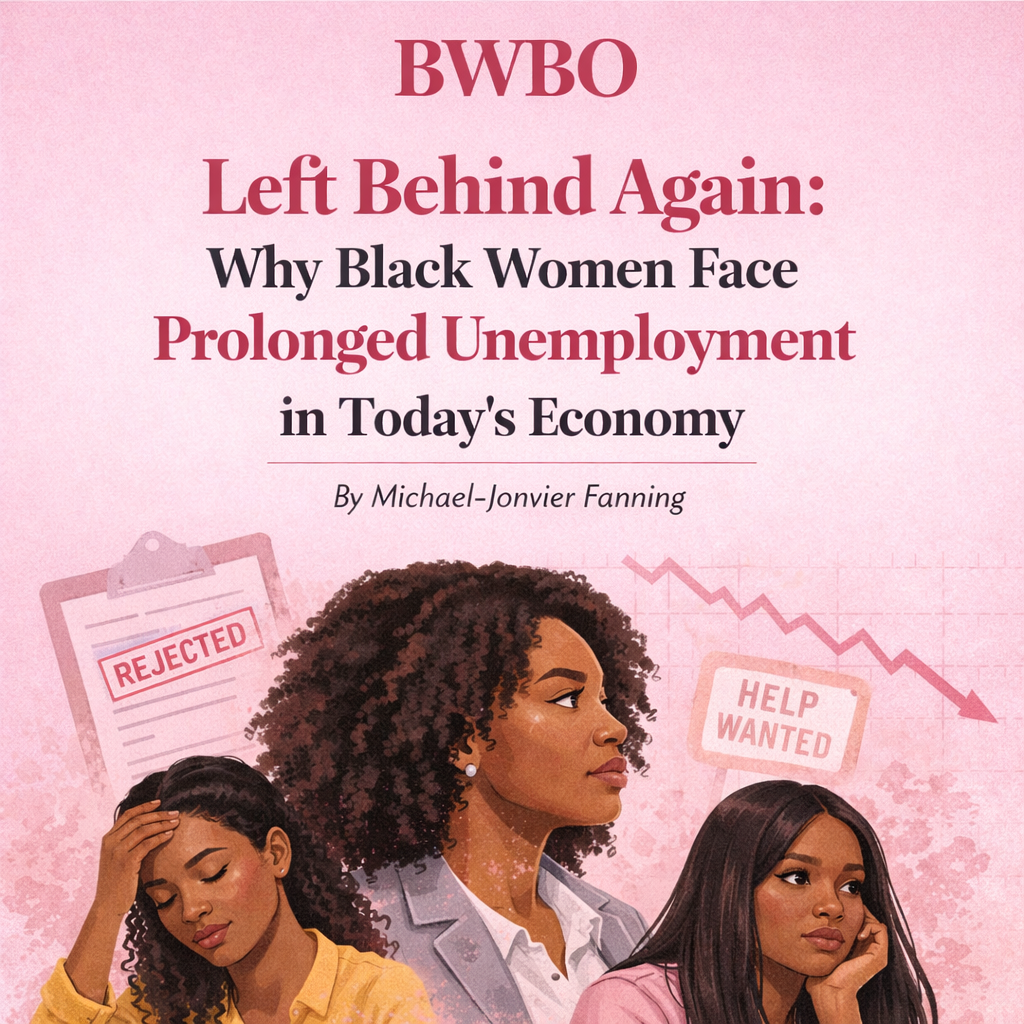
Left Behind Again: Why Black Women Face Prolonged Unemployment in Today’s Economy
In today’s economy, a troubling pattern continues to emerge—one that reflects not just economic shifts, but deeply rooted structural inequities. Black women are experiencing disproportionately high and prolonged unemployment rates compared to other demographic groups. Recent labor data shows that unemployment for Black women has hovered between approximately 6.5% and 7.7% in recent reporting periods, significantly higher than the national average for women overall, which remains closer to 4%. While the broader economy is often described as stable or recovering, this stability has not translated equally across all populations. For Black women, the recovery has been slower, more fragile, and in many cases, nonexistent.
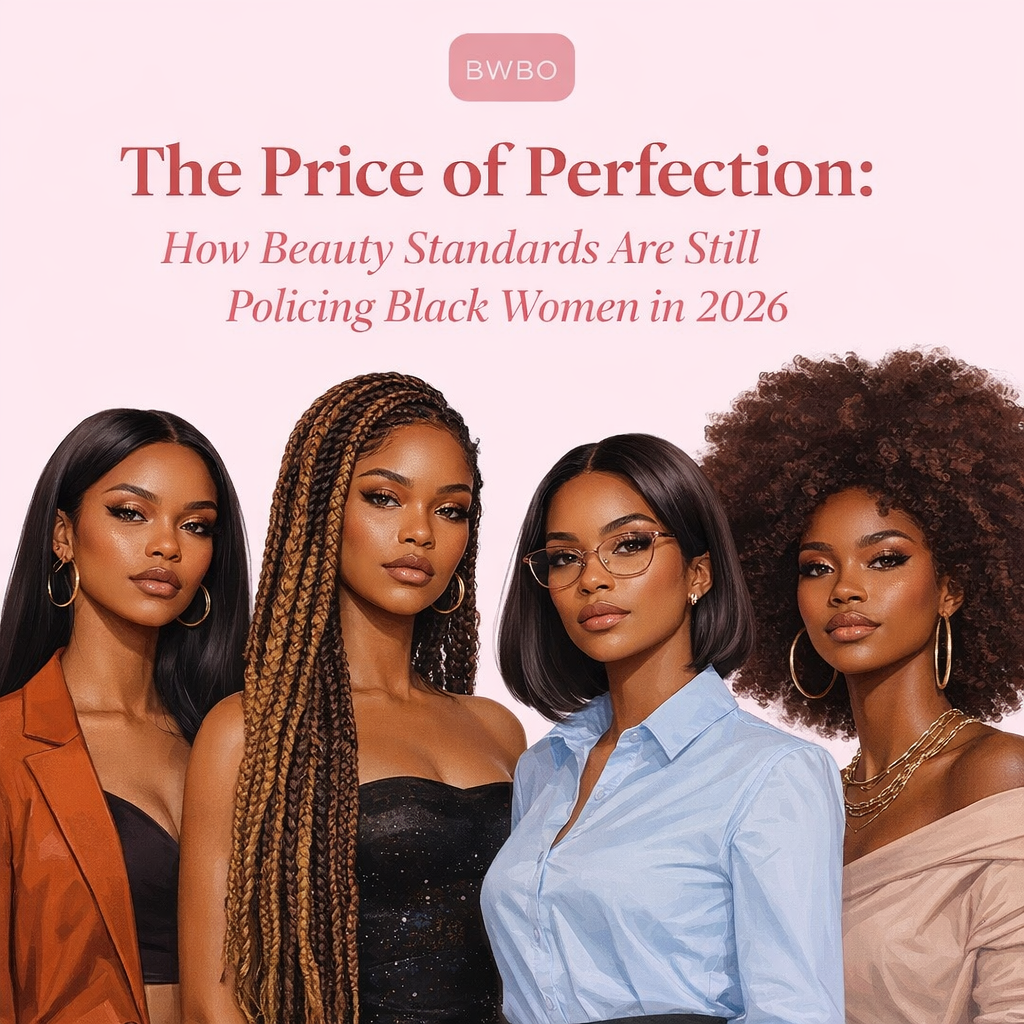
The Price of Perfection: How Beauty Standards Are Still Policing Black Women in 2026
We like to believe we’ve evolved.
That somewhere between the rise of natural hair movements, inclusive marketing campaigns, and conversations around representation, the world has finally made space for Black women to exist as they are—unfiltered, unaltered, and unapologetic.
But in 2026, the truth feels more complicated.
Because while the conversation has changed, the expectations haven’t fully caught up.
Black women are still navigating a world that subtly—and sometimes overtly—demands conformity. Not just to beauty, but to a very specific version of beauty that feels palatable, professional, and “acceptable” within societal and corporate spaces.