
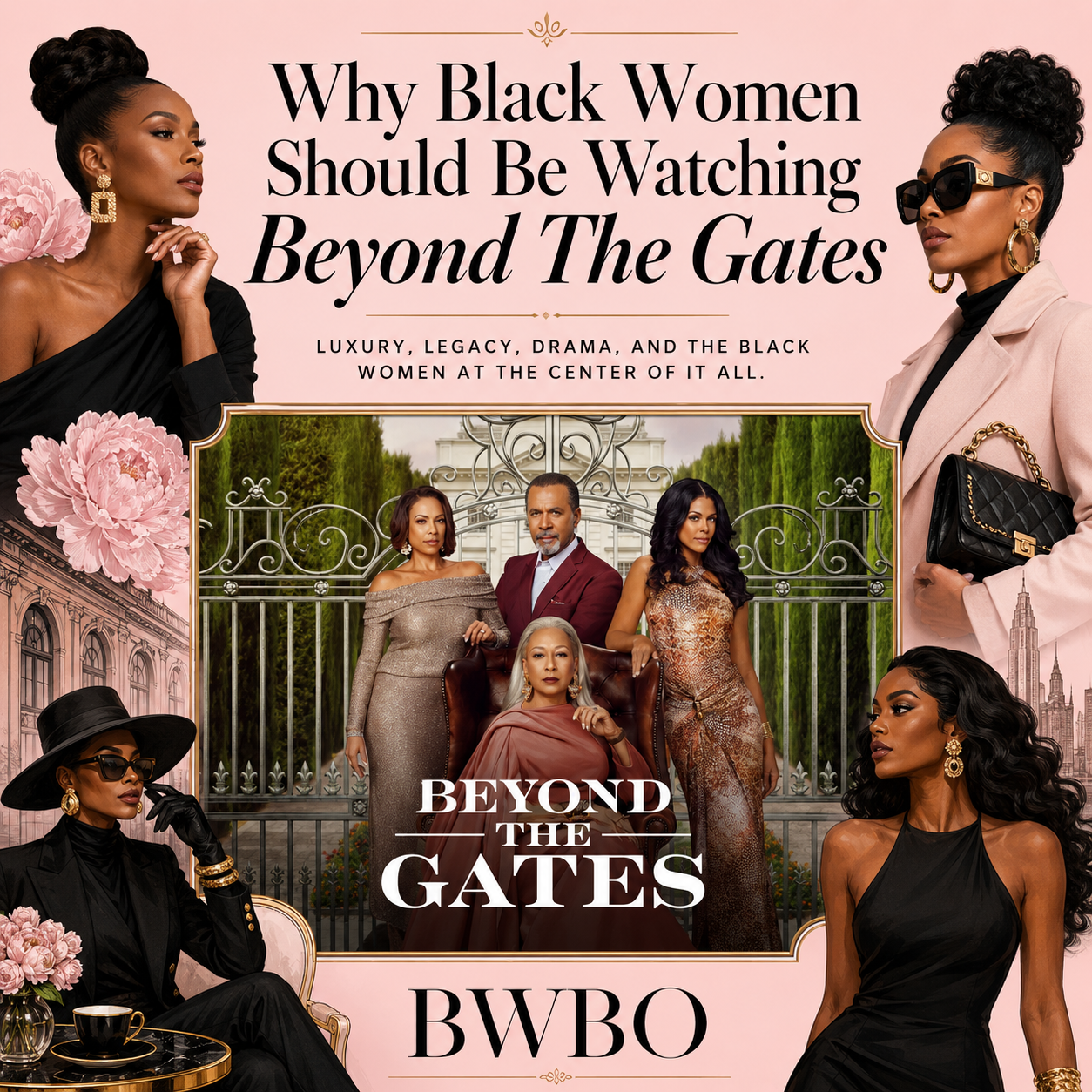
Why Black Women Should Be Watching Beyond the Gates
CBS’s Beyond the Gates is not just another soap opera. It is a cultural moment. The series centers on the Dupree family, a powerful and prestigious Black family living in a posh gated community in one of the most affluent African American areas in the country. CBS describes the Duprees as the definition of “Black royalty,” with secrets and scandals hiding behind luxury homes, manicured lawns, and polished public images.
For Black women, that matters.
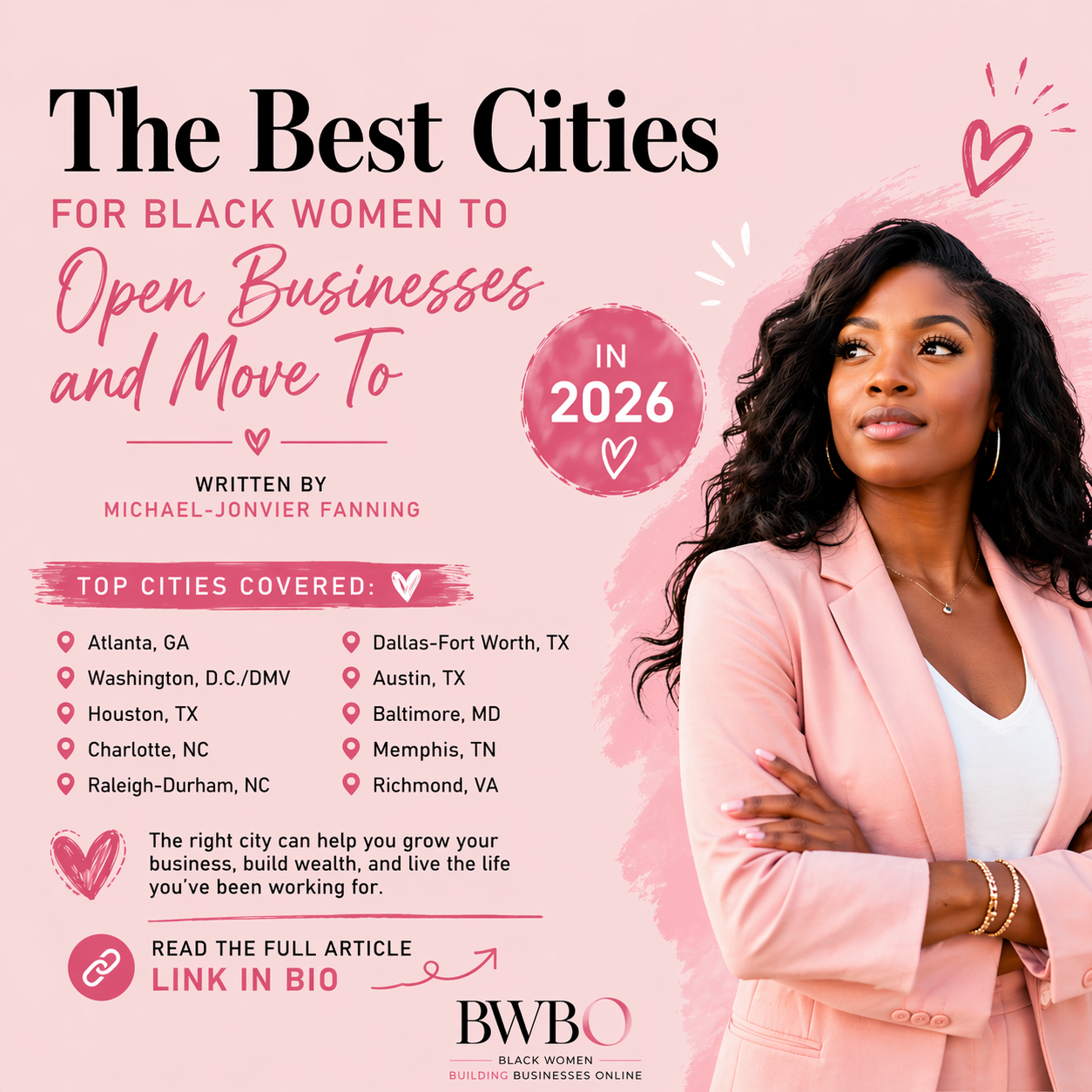
The Best Cities for Black Women to Open Businesses and Move to in 2026
Black women are not waiting for permission in 2026. They are building brands, launching service-based companies, opening storefronts, creating wellness spaces, becoming consultants, entering tech, buying property, and turning side hustles into real businesses. Recent data from Wells Fargo shows why this matters: between 2024 and 2025, Black women-owned employer businesses grew by 13%, with revenue rising nearly 6%; Black women-owned non-employer businesses also grew by 13%, with revenue rising 8%.
But where a Black woman chooses to build can matter almost as much as what she builds. The best city is not just the one with the trendiest skyline or the biggest “Black excellence” reputation. It is the city where she can find customers, community, capital, talent, affordability, safety, professional networks, and room to grow without being priced out before the business even breathes.
Become Who You Needed: The Quiet Check-In That Could Change Your Entire Life
Have I become the person I needed when I was younger? Not the version shaped by expectations, survival, or circumstance—but the version that would have protected, affirmed, and believed in us when we didn’t yet know how to do that for ourselves. It’s a question that doesn’t demand an immediate answer, but it does require honesty. And for many, that honesty can be both revealing and transformative.
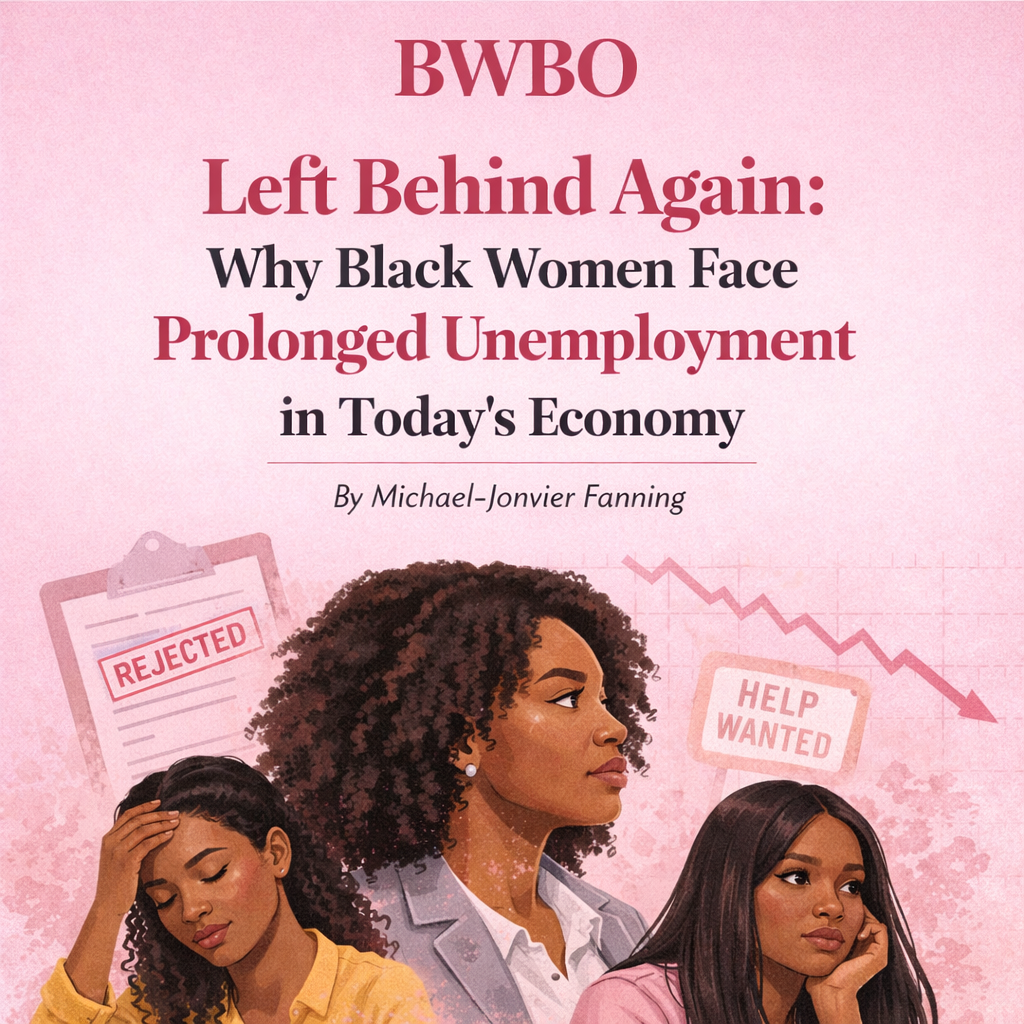
Left Behind Again: Why Black Women Face Prolonged Unemployment in Today’s Economy
In today’s economy, a troubling pattern continues to emerge—one that reflects not just economic shifts, but deeply rooted structural inequities. Black women are experiencing disproportionately high and prolonged unemployment rates compared to other demographic groups. Recent labor data shows that unemployment for Black women has hovered between approximately 6.5% and 7.7% in recent reporting periods, significantly higher than the national average for women overall, which remains closer to 4%. While the broader economy is often described as stable or recovering, this stability has not translated equally across all populations. For Black women, the recovery has been slower, more fragile, and in many cases, nonexistent.
Where Are They? The Powerful Spaces Black Women Are Still Locked Out Of
There is a question echoing louder in today’s economy, leadership circles, and innovation spaces: where are they? Not as a whisper, but as a demand for accountability. Because while Black women continue to be among the most educated, resilient, and culturally influential groups in America, their absence in key positions of power remains impossible to ignore. This is not about visibility alone—it is about access, influence, and ownership in the spaces that shape the future.
Paint the Future Rich: Why the Art Industry Is a Hidden Goldmine for Black Women Ready to Invest
For generations, wealth has been built in spaces that often excluded Black women—real estate, corporate leadership, and venture capital. But a new frontier is gaining traction, one that blends culture, influence, and financial growth in a way that is both powerful and deeply aligned with identity: the art industry. What was once seen as a niche or elite market is now emerging as a lucrative and strategic investment opportunity, and Black women are uniquely positioned to capitalize on it.
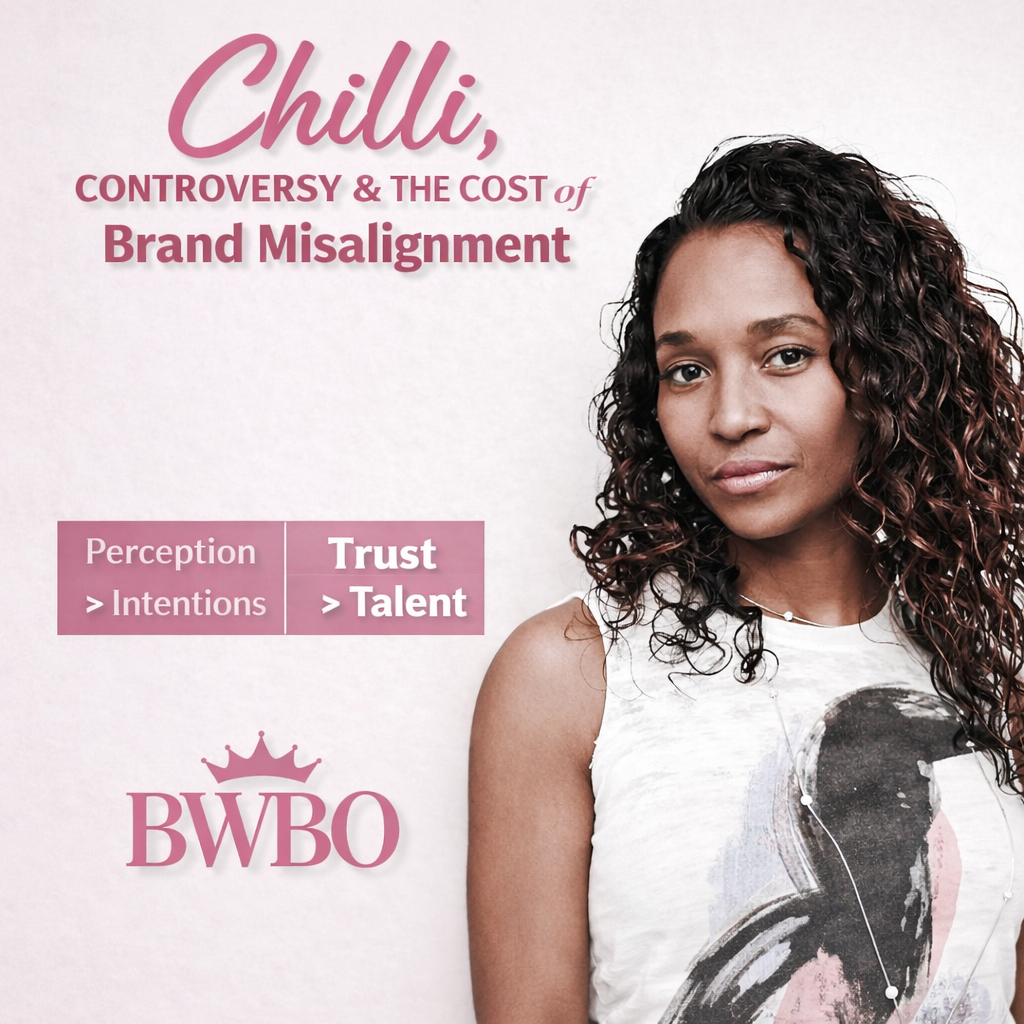
Chilli, Controversy & the Cost of Brand Misalignment
In the age of screenshots, receipts, and real-time reactions, a brand can shift overnight—not because of what was intended, but because of what was perceived. That is exactly what we are witnessing with Rozonda "Chilli" Thomas. What started as online chatter quickly evolved into a full-blown conversation about trust, alignment, and the fragile nature of public image in a digital-first world.
America’s Birth Rate Crisis: Why More Women Are Childless Than Ever—and What It Really Means
A headline like the one circulating—claiming that 52% of women ages 20–39 are childless—sounds shocking at first glance. It feels like a sudden shift, almost like something has gone wrong overnight. But when you look at the actual data, the story becomes less about crisis and more about transformation.
According to research from the University of New Hampshire Carsey School of Public Policy, the statistic itself is accurate. In 2024, there were approximately 44.2 million women between the ages of 20 and 39 in the United States, and about 23.1 million of them—52%—had not yet given birth.
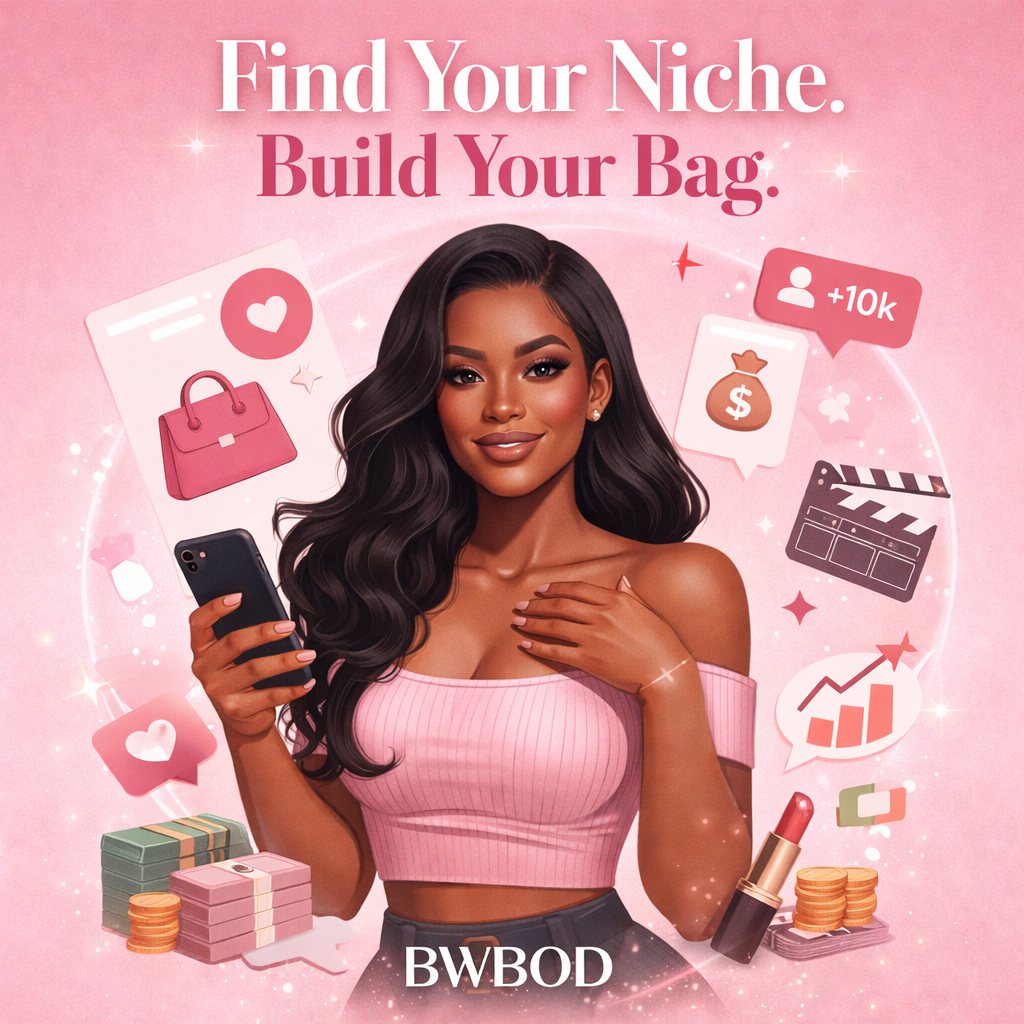
Find Your Niche. Build Your Bag.
Posting is easy. Positioning is power.
In 2026, anyone can download an app, film a video, and hope it goes viral. But virality without direction is noise—and noise doesn’t build income, influence, or longevity.
For Black women entering the influencer space, success isn’t about doing more.
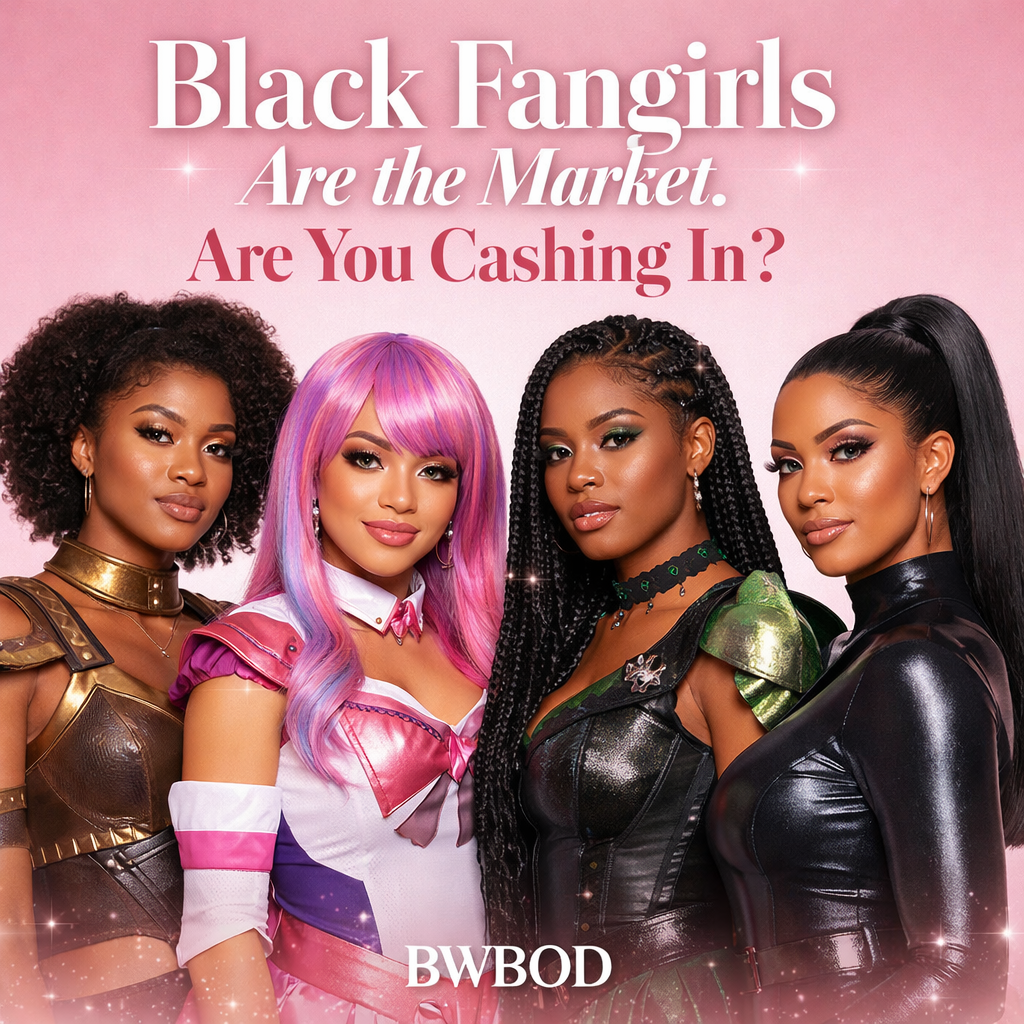
From Fans to Founders: How Black Women Entrepreneurs Can Cash In on the Rise of Black Fangirls and Cosplayers
For years, Black fangirls and cosplayers have been building culture without getting the full economic return from it. Now in 2026, that’s changing—and fast.
This is no longer just about showing up to conventions or going viral online. This is a full-blown economy. And if Black women entrepreneurs move intentionally, this space can become a pipeline for ownership, brand building, and long-term wealth.
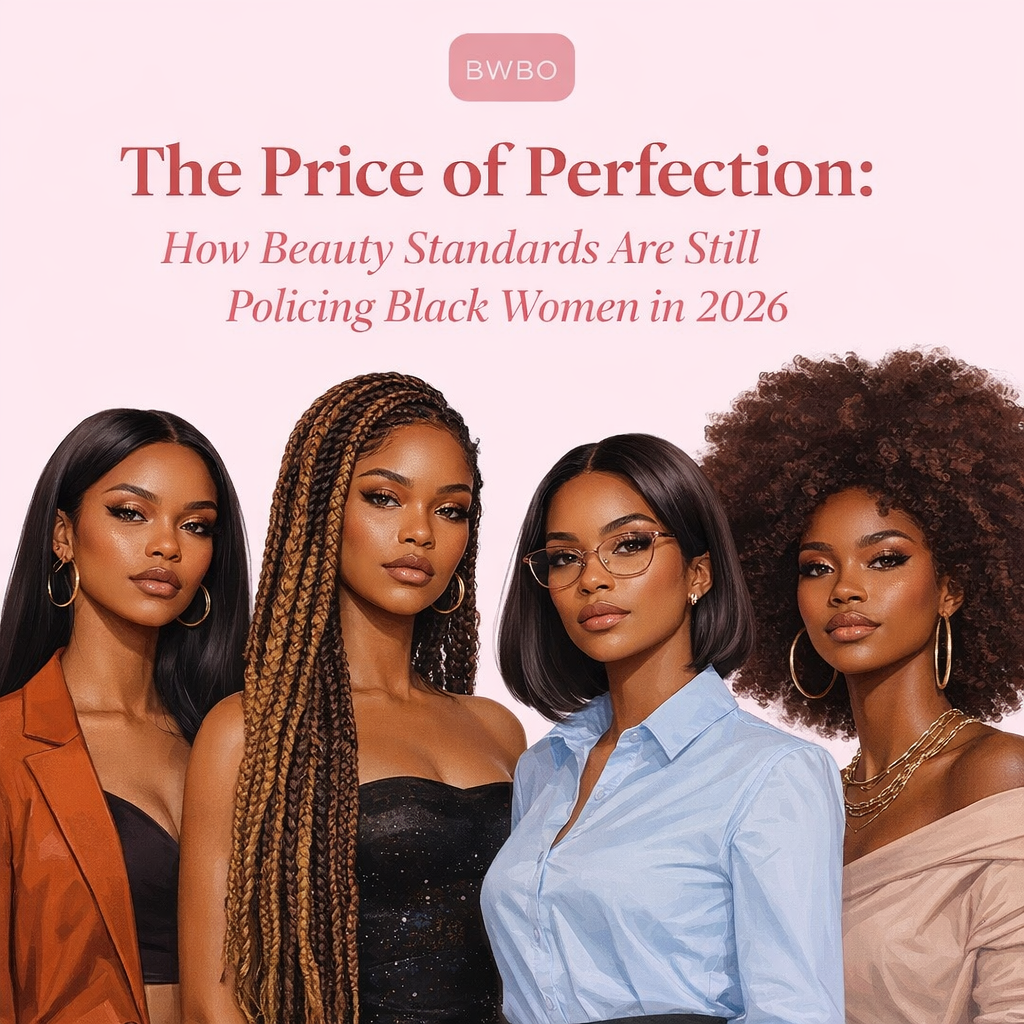
The Price of Perfection: How Beauty Standards Are Still Policing Black Women in 2026
We like to believe we’ve evolved.
That somewhere between the rise of natural hair movements, inclusive marketing campaigns, and conversations around representation, the world has finally made space for Black women to exist as they are—unfiltered, unaltered, and unapologetic.
But in 2026, the truth feels more complicated.
Because while the conversation has changed, the expectations haven’t fully caught up.
Black women are still navigating a world that subtly—and sometimes overtly—demands conformity. Not just to beauty, but to a very specific version of beauty that feels palatable, professional, and “acceptable” within societal and corporate spaces.
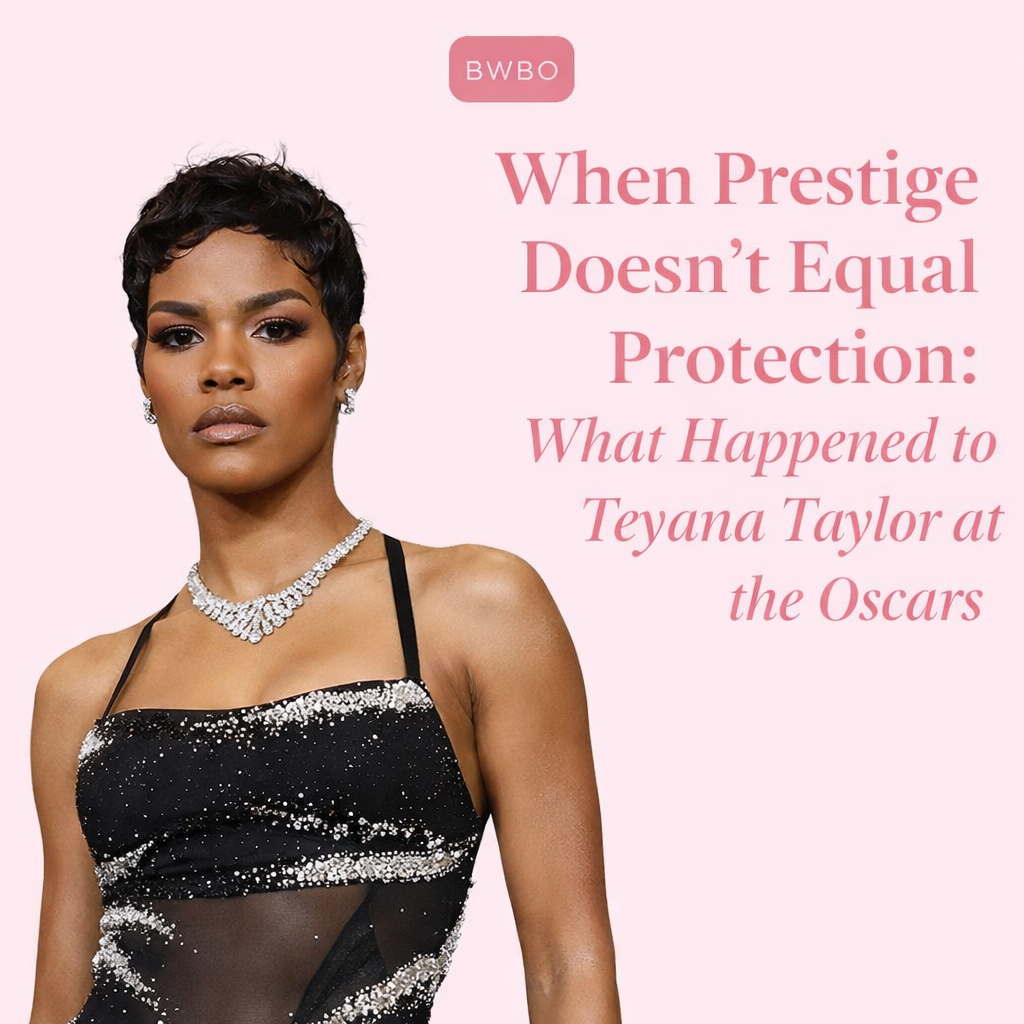
When Prestige Doesn’t Equal Protection: What Happened to Teyana Taylor at the Oscars
There are certain spaces we’re taught to believe are sacred. The Oscars is one of them—a place where art is honored, talent is celebrated, and the most powerful figures in entertainment gather under the illusion of prestige, decorum, and respect. But what happens when that illusion cracks in real time?
Recently, Teyana Taylor—an artist whose influence spans music, film, and culture—was reportedly shoved by a security officer at the Oscars. Let that sit for a moment. Not at a crowded nightclub. Not in a chaotic street setting. But at one of the most controlled, elite, and curated events in the world.
And still, it happened.

From Fame to Fortune: Black Women Who Turned Reality TV Into Real Business Power
Reality television has created a new kind of celebrity. Unlike traditional actors or musicians who spend years building their reputations, reality stars often find themselves thrust into the spotlight almost overnight. A single season of television can introduce them to millions of viewers, transform them into social media influencers, and give them instant name recognition. While that kind of attention can be fleeting, it can also be incredibly powerful when used strategically. For women in particular, reality television can serve as the launchpad for something much more meaningful than fame—it can become the foundation for financial independence and long-term business success.
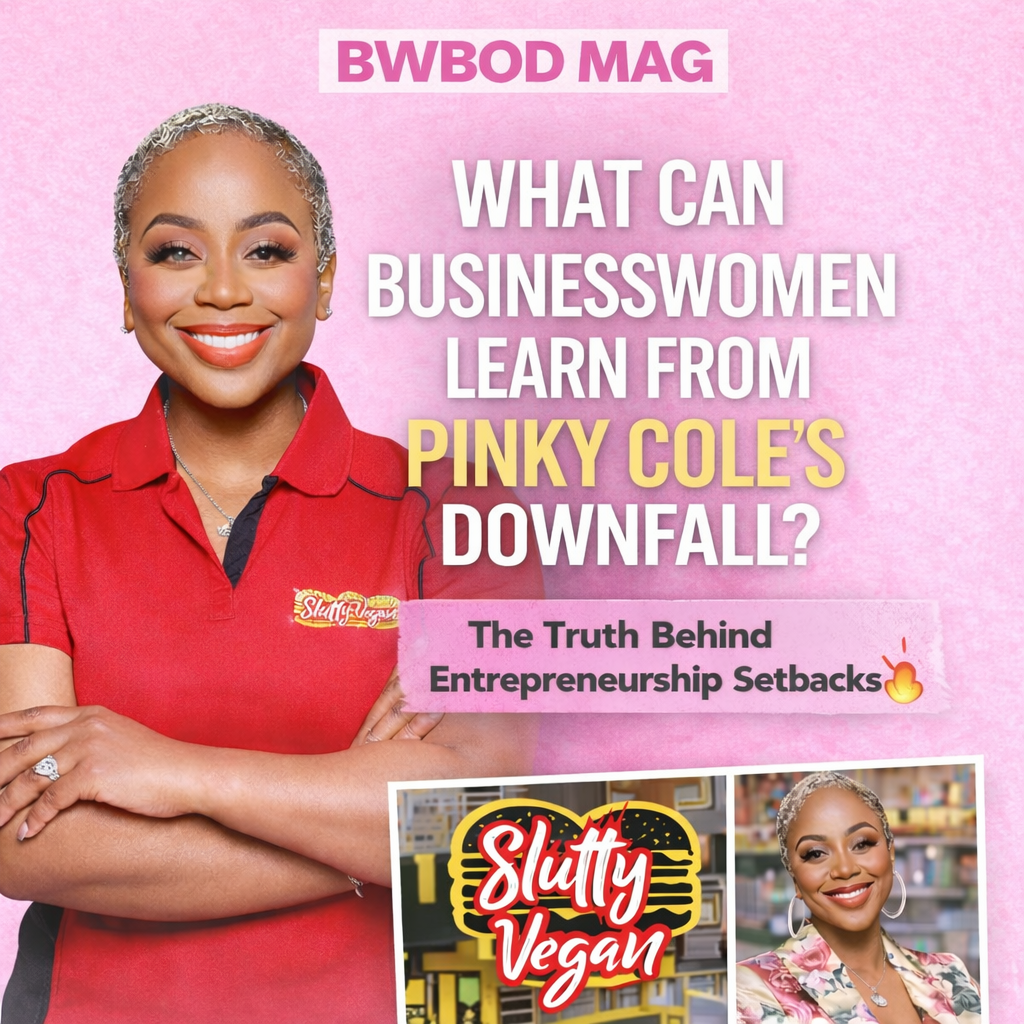
What Businesswomen Can Learn from Pinky Cole’s Downfall
For years, Pinky Cole Hayes stood as one of the most celebrated examples of modern Black female entrepreneurship. As the founder of Slutty Vegan, she built a brand that was bold, culturally relevant, and unapologetically different. Her vegan burger concept exploded in popularity almost overnight, drawing massive lines outside her restaurants and gaining the attention of celebrities, investors, and national media outlets. For many Black women in business, Pinky Cole represented possibility—proof that a woman with vision, personality, and determination could build a multimillion-dollar brand in an industry traditionally dominated by others.
However, rapid success often carries hidden risks. As reports emerged about financial challenges and structural issues surrounding the company, the conversation around Pinky Cole shifted from celebration to cautionary tale.

The Rules of Having a Work Husband
In today’s professional world, many women spend more waking hours with coworkers than they do with their own families. Deadlines, meetings, office drama, and long projects create a unique environment where strong friendships naturally develop. Out of that environment comes a modern workplace phenomenon that many women jokingly refer to as their “work husband.”
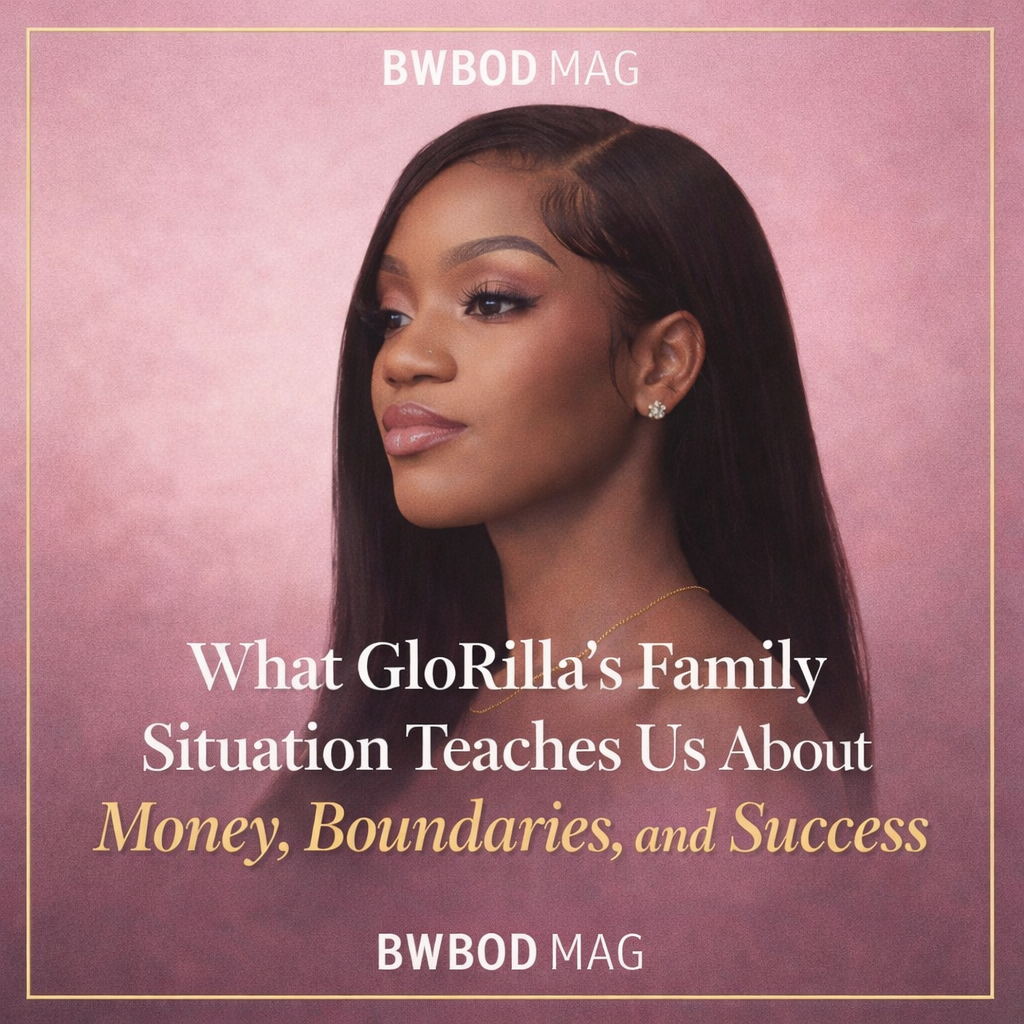
What GloRilla’s Family Situation Teaches Us About Money, Boundaries, and Success
The recent public conversation surrounding GloRilla and her family dynamics has sparked strong opinions across social media. But beyond the noise, hot takes, and emotional reactions lies a deeper conversation that many Black women in business quietly grapple with every day. This moment isn’t really about celebrity. It’s about the expectations we place on people once they “make it,” and the unspoken rules that often come with success in Black families.
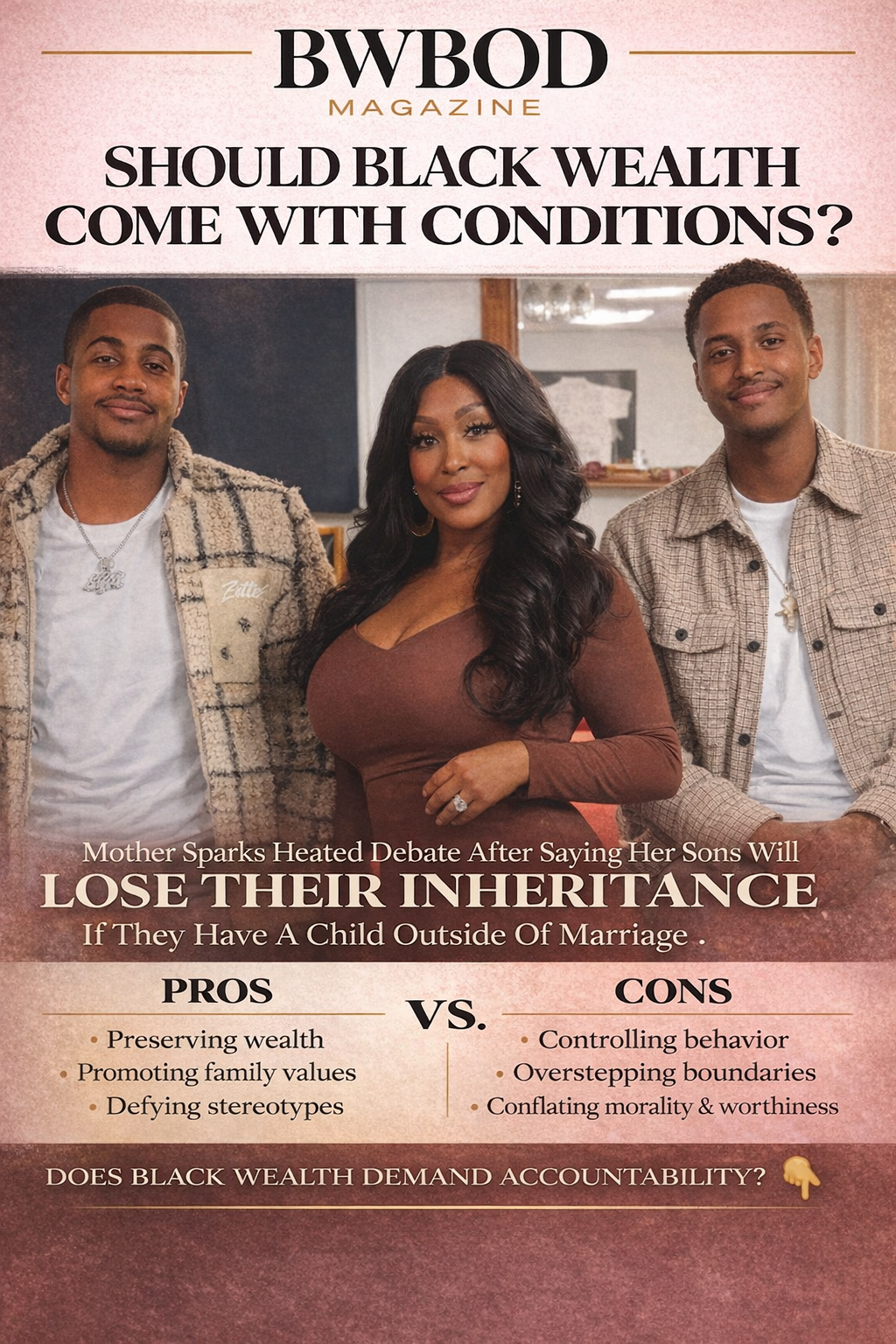
Should Black Wealth Come with Conditions?
A recent viral statement by a mother has ignited widespread conversation across social media and financial circles alike. Her declaration was clear: if her sons have children outside of marriage, they will forfeit their inheritance.