
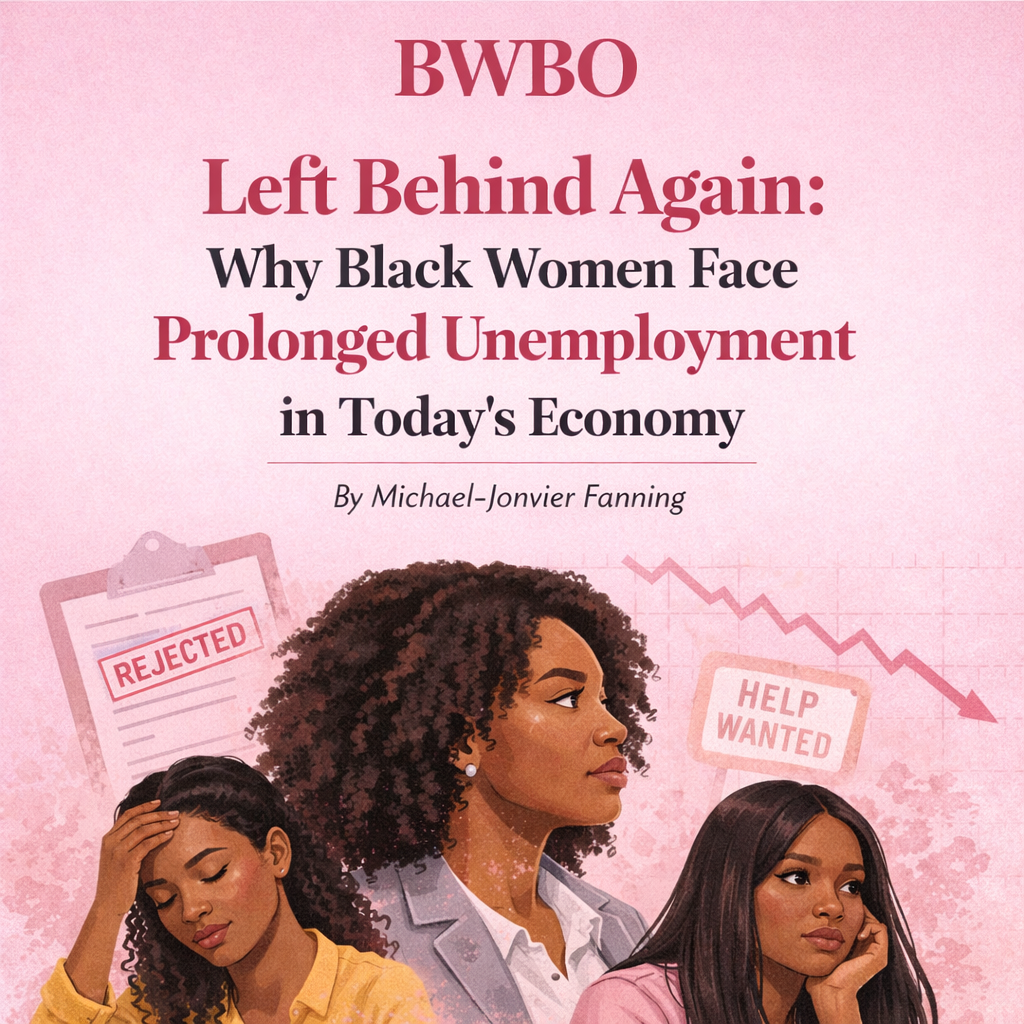
Left Behind Again: Why Black Women Face Prolonged Unemployment in Today’s Economy
In today’s economy, a troubling pattern continues to emerge—one that reflects not just economic shifts, but deeply rooted structural inequities. Black women are experiencing disproportionately high and prolonged unemployment rates compared to other demographic groups. Recent labor data shows that unemployment for Black women has hovered between approximately 6.5% and 7.7% in recent reporting periods, significantly higher than the national average for women overall, which remains closer to 4%. While the broader economy is often described as stable or recovering, this stability has not translated equally across all populations. For Black women, the recovery has been slower, more fragile, and in many cases, nonexistent.
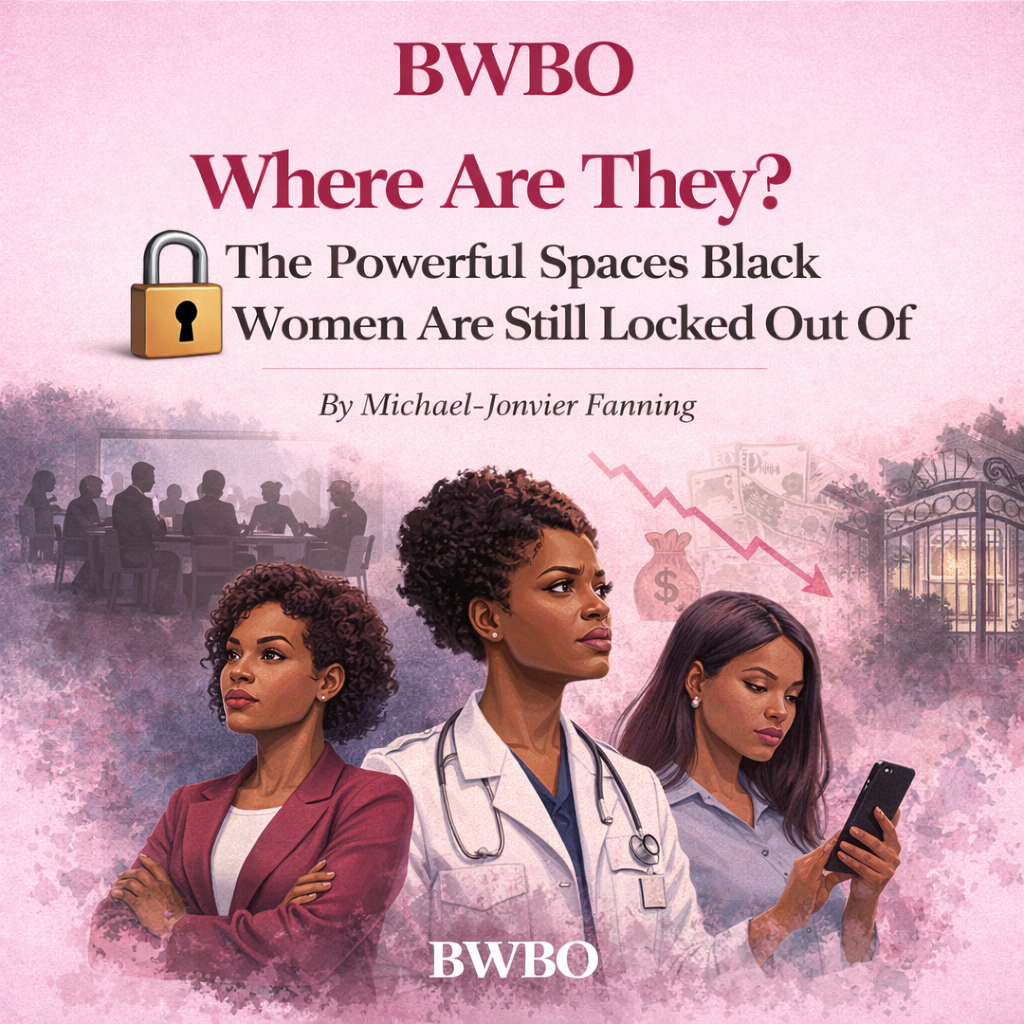
Where Are They? The Powerful Spaces Black Women Are Still Locked Out Of
There is a question echoing louder in today’s economy, leadership circles, and innovation spaces: where are they? Not as a whisper, but as a demand for accountability. Because while Black women continue to be among the most educated, resilient, and culturally influential groups in America, their absence in key positions of power remains impossible to ignore. This is not about visibility alone—it is about access, influence, and ownership in the spaces that shape the future.
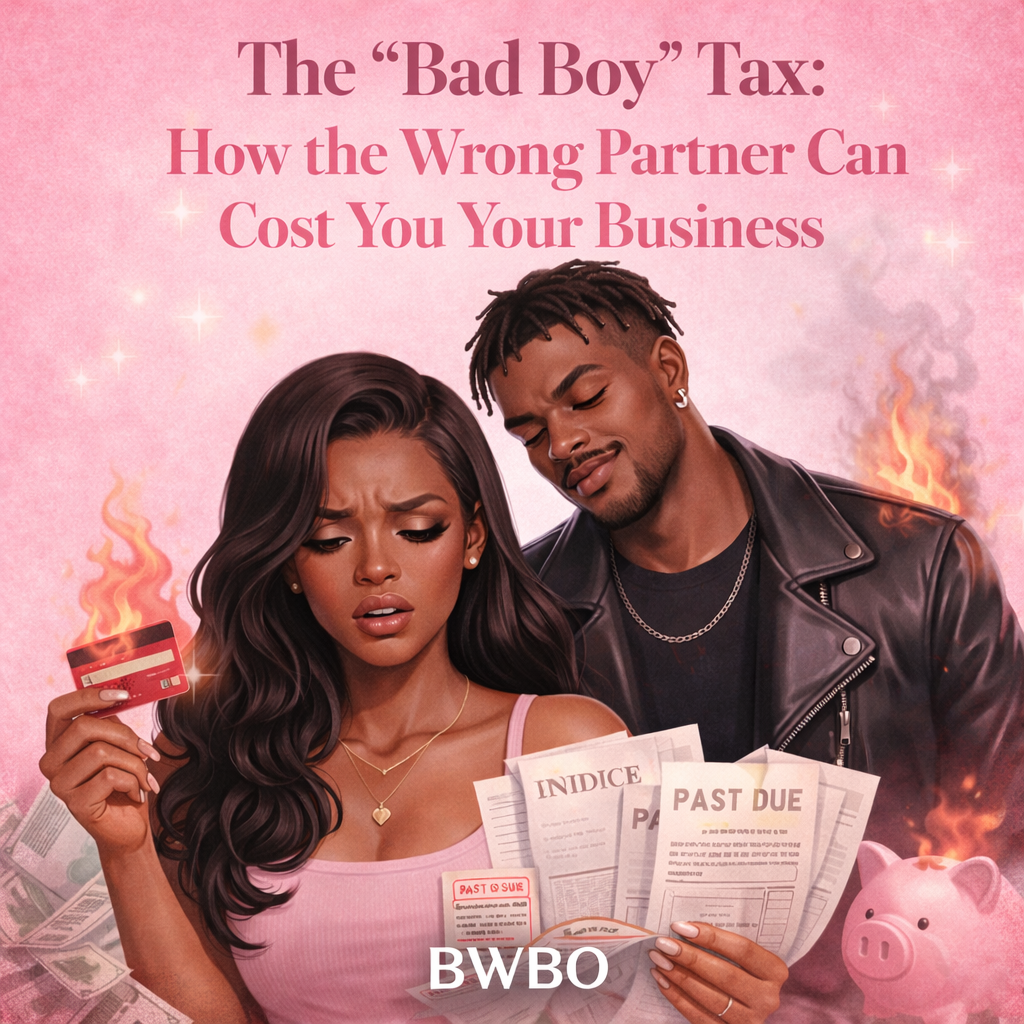
The “Bad Boy” Tax: How the Wrong Partner Can Cost You Your Business
There’s a version of love that looks exciting on the surface.
It’s intense. It’s unpredictable. It feels passionate, consuming—like something out of a movie. The “bad boy” archetype thrives in this space. He’s charismatic, a little reckless, emotionally unavailable just enough to keep you chasing clarity.
And for a lot of women—especially ambitious, driven women—that dynamic can feel intoxicating.
But here’s the truth no one romanticizes:
That kind of love can cost you. And not just emotionally—financially, professionally, and mentally.
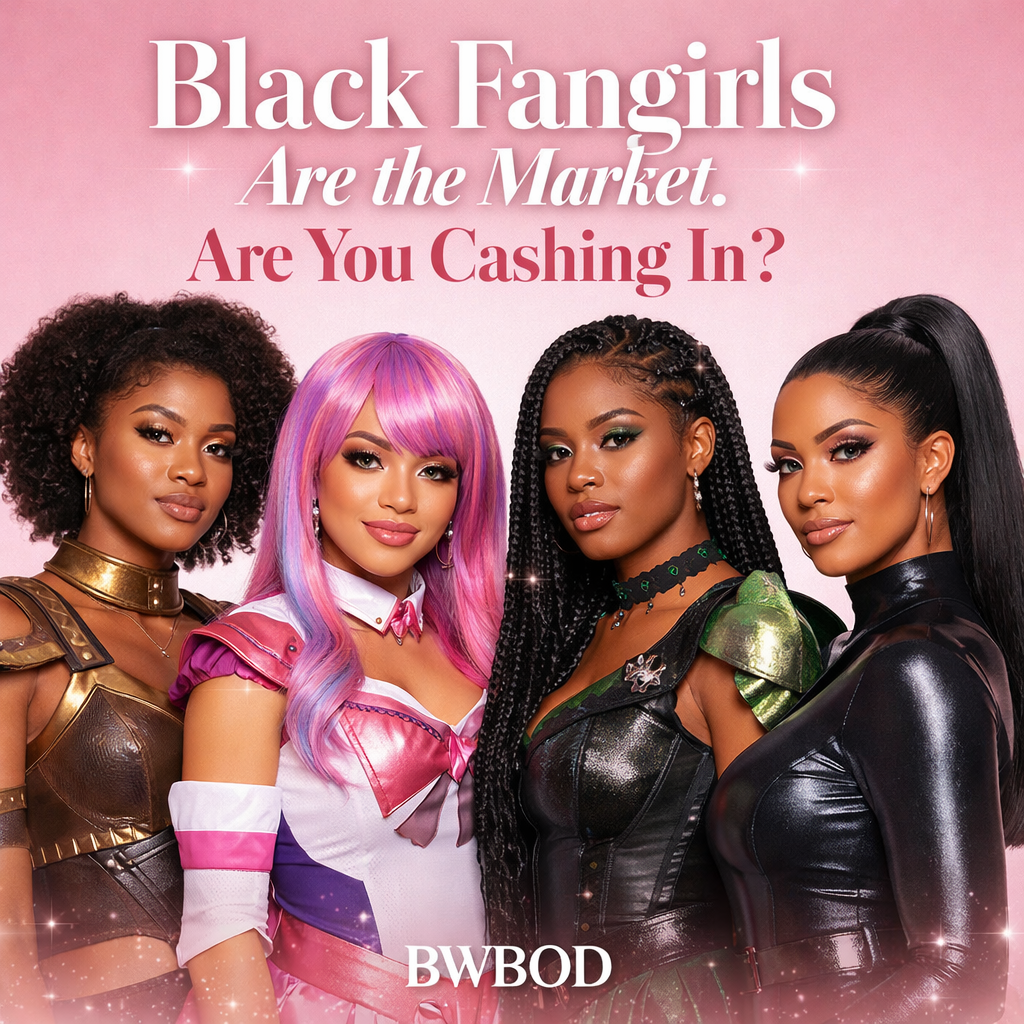
From Fans to Founders: How Black Women Entrepreneurs Can Cash In on the Rise of Black Fangirls and Cosplayers
For years, Black fangirls and cosplayers have been building culture without getting the full economic return from it. Now in 2026, that’s changing—and fast.
This is no longer just about showing up to conventions or going viral online. This is a full-blown economy. And if Black women entrepreneurs move intentionally, this space can become a pipeline for ownership, brand building, and long-term wealth.

From Fame to Fortune: Black Women Who Turned Reality TV Into Real Business Power
Reality television has created a new kind of celebrity. Unlike traditional actors or musicians who spend years building their reputations, reality stars often find themselves thrust into the spotlight almost overnight. A single season of television can introduce them to millions of viewers, transform them into social media influencers, and give them instant name recognition. While that kind of attention can be fleeting, it can also be incredibly powerful when used strategically. For women in particular, reality television can serve as the launchpad for something much more meaningful than fame—it can become the foundation for financial independence and long-term business success.
The Rules of Having a Work Husband
In today’s professional world, many women spend more waking hours with coworkers than they do with their own families. Deadlines, meetings, office drama, and long projects create a unique environment where strong friendships naturally develop. Out of that environment comes a modern workplace phenomenon that many women jokingly refer to as their “work husband.”
When Ratings Hurt the Brand: The Impact of Reality TV on Black Women in Business
Reality television has built empires. It has created influencers, millionaires, product lines, and household names. But it has also shaped narratives — and not all of those narratives have been helpful.
When it comes to Black women in business, reality TV has often blurred the line between entertainment and representation. And in many cases, the cost of ratings has been the reinforcement of stereotypes that ambitious Black women are still fighting to dismantle in corporate spaces, entrepreneurial ecosystems, and leadership rooms.
Entertainment may not be reality — but perception influences opportunity.

Why Office Romances End Badly
Office romances are more common than people admit. Adults spend a significant portion of their lives at work, building bonds through shared stress, ambition, and long hours. Attraction in that environment is natural. Familiarity grows quickly when you collaborate closely, solve problems together, and celebrate professional wins side by side. For some, workplace relationships turn into long-term partnerships. But for many others, they turn into professional disasters.
The issue isn’t love. The issue is risk.
Black Women Lean on Each Other to Survive Career Setbacks
For many Black women, the professional world has always required resilience. But over the past year, that resilience has been tested in new and unsettling ways.